DIAN RACING
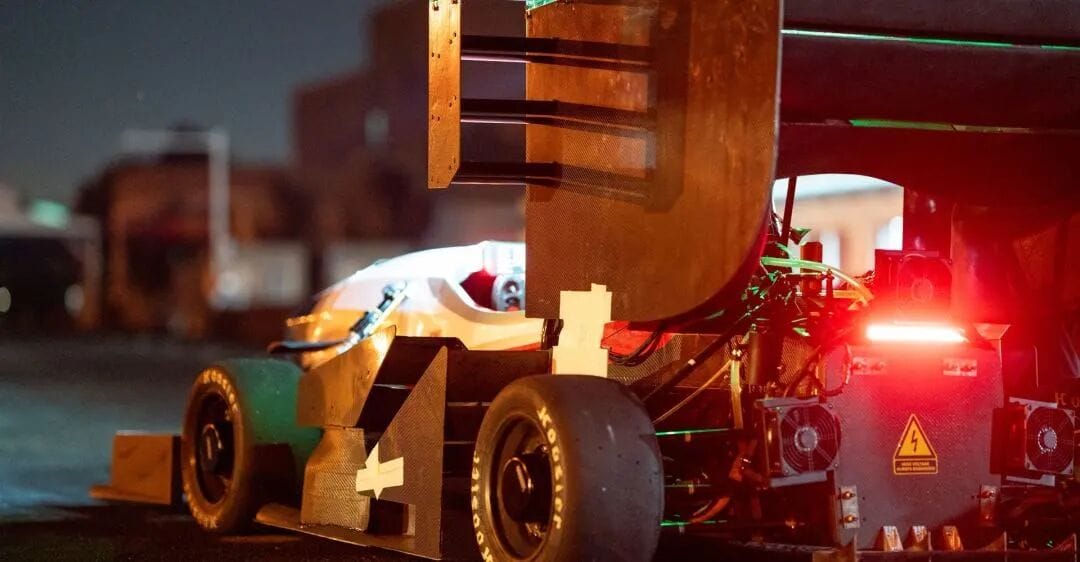
Tongji University Electric Racing Team
2026
JOIN US
DIAN RACING
Innovation / Collaboration / Passion / Excellence
Join Us
We build race cars with our own hands
Bringing textbook knowledge to life in real-world combat
We stand shoulder to shoulder with like-minded teammates
Forging a strength unique to our team
We connect with top-tier enterprise resources
Paving the way to the future
We step onto the FSAE international stage
Sprinting with full force for passion and glory
2026 DIANRACING
01
About Us
01
Team Introduction
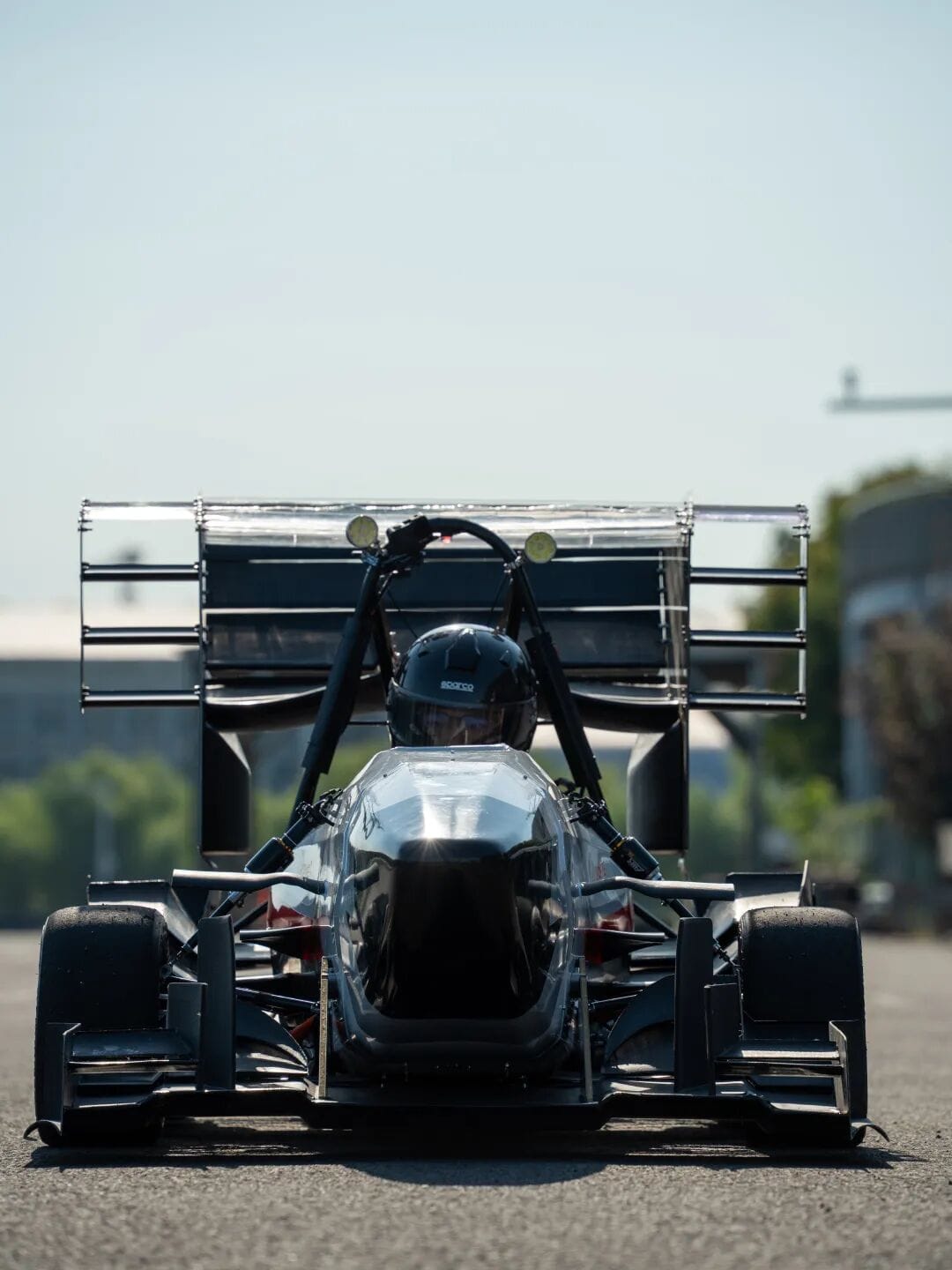
Since its establishment in March 2013, the Tongji University Electric Racing Team (DIAN Racing) has consistently stood at the forefront of electric formula racing, dedicated to exploring the limits of speed and efficiency while focusing on the development of new energy vehicle technology and a sustainable future. With the goal of building a world-class university racing team, we actively participate in the FSAE series of competitions and build a platform for exchange within the new energy vehicle industry.
Team Snapshots
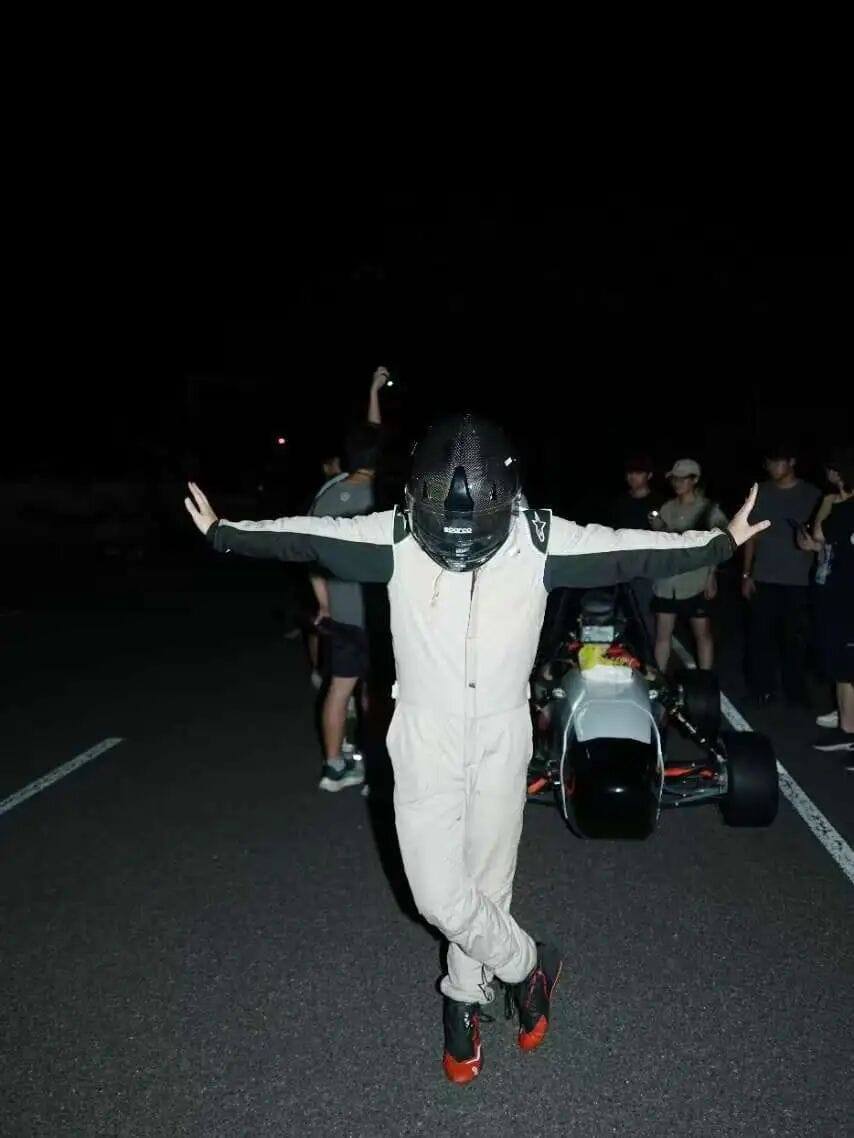
Here, you will not only encounter the most cutting-edge electric vehicle technology, but also personally participate in the entire process of race car design, manufacturing, testing, and promotion. From chassis to electronic control, from aerodynamics to intelligent driving, every step of our exploration is full of challenges and passion. Facing the opportunities of the new era, DIAN Racing is accelerating towards intelligent electric racing and looks forward to your joining us to write the future together!
02
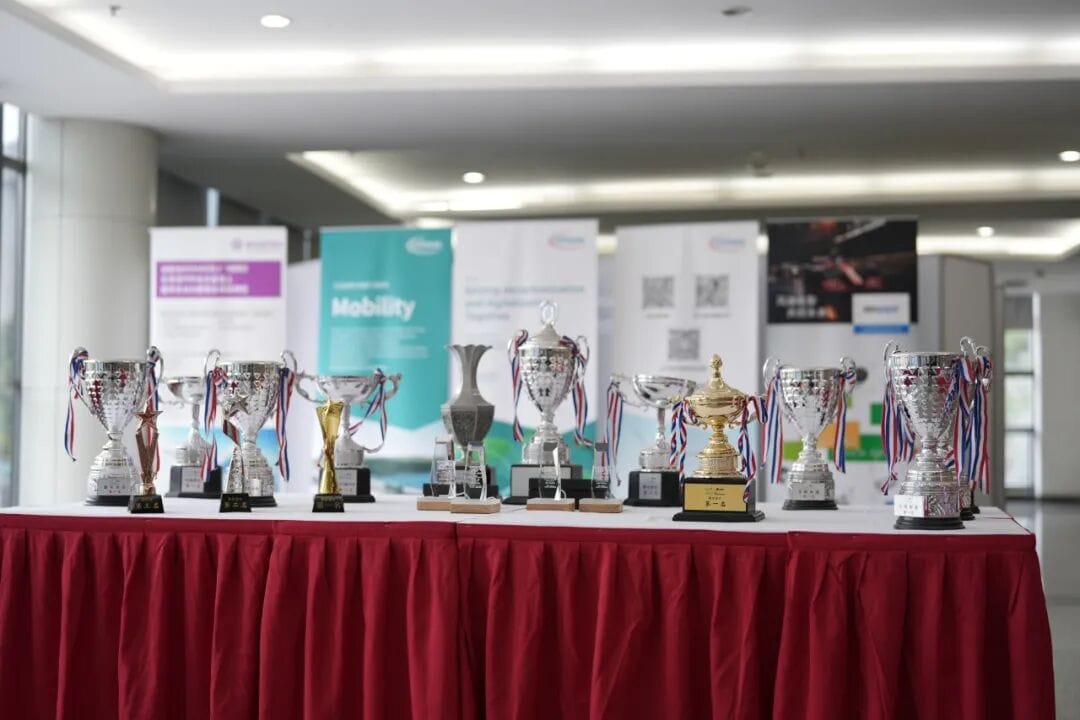
Team Achievements
2025 Formula Student Electric China (FSEC):
National Runner-up
1st Place, Acceleration Event
2nd Place, Engineering Design Event
3rd Place, Lightweight Award
2025 Formula Student Autonomous China (FSAC):
National Second Prize
Best System Design Award
2018 Student Formula Japan, Electric Class, Runner-up
2019 Student Formula Japan, Electric Class, 3rd Place
2020 Formula Student Electric China (FSEC), Overall Champion
2021 Formula Student Autonomous China (FSAC), 3rd Place
2023 Student Formula Japan:
Best Aerodynamics Award, 2nd Place
Best MathWorks Award, 2nd Place
Best CAE Award, 1st Place
Best Ergonomics Award, 3rd Place
Design Presentation, 3rd Place
2023 Formula Student Electric China (FSEC):
1st Place, Design Report
2nd Place, Efficiency Test
3rd Place, Three-Electric Technology Sharing Award
3rd Prize, MATLAB/Simulink Application Award
Outstanding Business Plan Award
2024 Formula Student Electric China (FSEC):
3rd Place, Design Report
“Veteran Driver” Award
03
Sponsorship Resources
DIAN Racing has established long-term and stable cooperative relationships with 80+ renowned enterprises, including world-leading automotive manufacturers and component suppliers such as Porsche and Schaeffler. These enterprises not only provide technical and financial support but also open broad windows into the industry for our team members. The team is always committed to providing every DIAN Racer with a high-level innovative practice platform, allowing you to accumulate experience and enhance competitiveness in real projects.
2026 DIANRACING
02
Recruitment Positions
01
Business & Management
Brand Image Management
1. Collect and organize information in the domestic and international FSAE business and sponsorship fields, mastering the latest development trends;
2. Develop strategies and annual plans according to the overall development strategy of the team;
3. Manage brand image to ensure it aligns with the positioning and settings of the DIAN Racing brand image, controlling all brand promotional materials, such as shooting event photos; design and production of posters, promotional brochures, promotional videos, etc.;
4. According to the annual plan, promote the execution of activities, participate in the planning and implementation of marketing activity communication plans, such as exhibitions, roadshows, and promotional activities, and be responsible for the marketing budget and cost control;
5. According to competition rules and the prior plan, complete the static defense of the Business Plan Presentation event in the competition
Toolchain Involved:
Adobe Illustrator
Adobe Photoshop
Adobe Premiere Pro; Keyshot
Xiumi, Canva
Sponsorship Relationship Management
1. Interface with the team’s existing sponsors, communicate and understand sponsor needs, and accurately convey them to the team for internal execution; 2. Develop new sponsorship channels according to the team’s needs; 3. Formulate cooperation plans with sponsors according to their needs and promote execution; 4. According to the annual plan, promote the execution of sponsor activities, participate in the planning and implementation of marketing activity communication plans, such as exhibitions, roadshows, and promotional activities, and be responsible for the marketing budget and cost control; 5. According to competition rules and the prior plan, complete the static defense of the Business Plan Presentation event in the competition
Toolchain Involved:
Adobe Illustrator; Adobe Photoshop; Adobe Premiere Pro; Keyshot
Team Resource Management
1. Responsible for team member information management, familiar with the team personnel structure, and responsible for maintaining and updating team member information.
2. Formulate cooperation plans with sponsors according to their needs and promote execution;
3. Customize and develop project management software according to requirements, and carry out project management together with the Team Captain and functional heads.
4. Learn programming languages for data analysis, build and maintain the team’s time-series databases according to requirements, and collaborate with engineers to achieve data analysis in various scenarios.
5. Deploy funds rationally to ensure the normal operation of the team’s capital chain. 6. Manage the layout and daily management of the workshop to ensure the smooth progress of the team’s work;
7. Organize team-building activities, visits, and other events according to requirements, and organize the construction of the team’s internal culture;
8. According to competition rules and the prior plan, complete the static defense of the Cost and Manufacturing Event in the competition.
Toolchain Involved:
DolphinDB; Adobe Photoshop; Keyshot; MATLAB; Python
02
Chassis, Bodywork & Dynamic Control
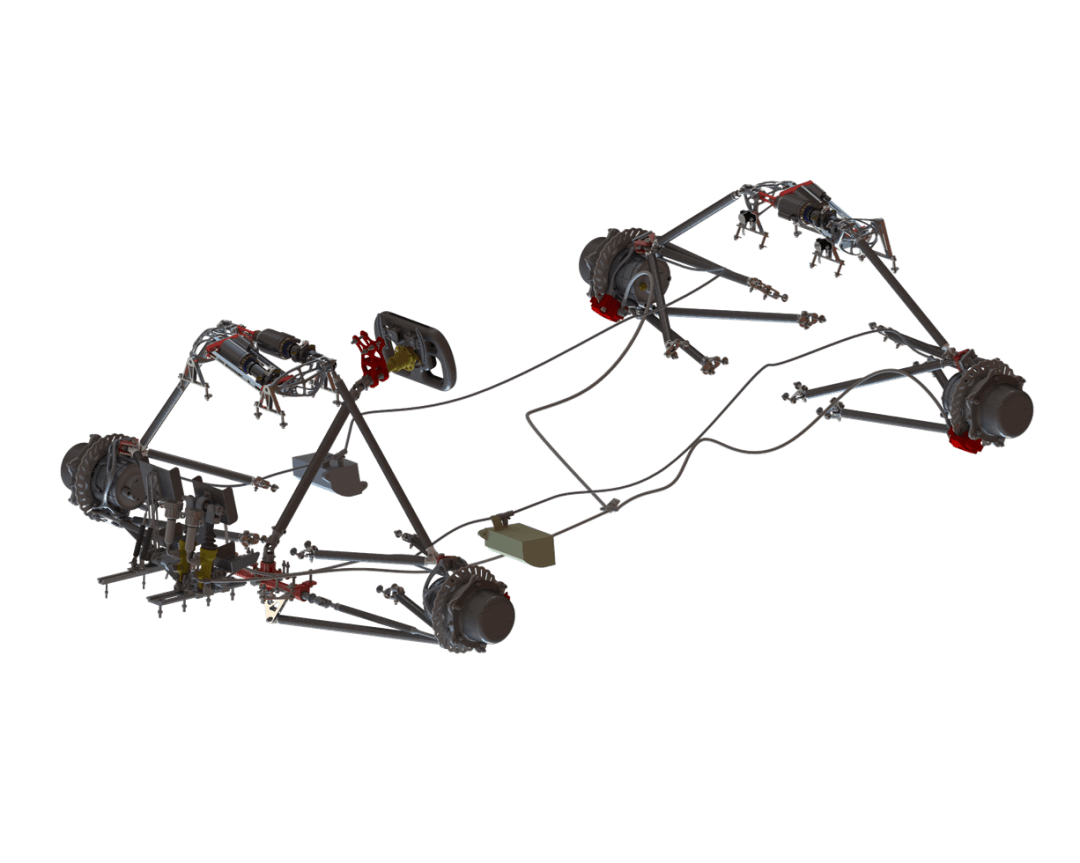
Chassis & Dynamic Control Architecture Engineer
1. Chassis and vehicle dynamics development covers suspension, steering, braking, wheel-end systems, and lateral/longitudinal control;
2. Develop a chassis system that complies with the regulations and delivers excellent performance based on full-vehicle requirements. Understand the influence of various chassis design parameters on vehicle performance and make comparisons and trade-offs accordingly;
3. Use VI-Grade or other software for vehicle dynamics model construction and full-vehicle dynamics simulation;
4. Use Solidworks and other modeling software, along with Ansys and other statics and thermal simulation software, to design and simulate chassis components;
5. Develop active control algorithms and energy recovery algorithms for the race car according to requirements, achieving active dynamics control functions and excellent power consumption performance for distributed four-wheel-drive vehicles;
6. Modify chassis parameters and control parameters during full-vehicle testing and tuning, striving for the perfect combination of mechanical and dynamic control algorithms to achieve better race car performance;
7. Collect, organize, and analyze test data. Use time-series database software to realize full-vehicle data analysis and visualization, guiding subsequent vehicle tuning and algorithm optimization;
8. Development and testing of functions such as lateral/longitudinal control for driverless formula cars will continue in the future.
Involved toolchain:
CATIA; Solidworks; MATLAB/Simulink; Vector CANoe; DolphinDB; VI-grade; Carsim; ANSYS; inspire; Hypermesh
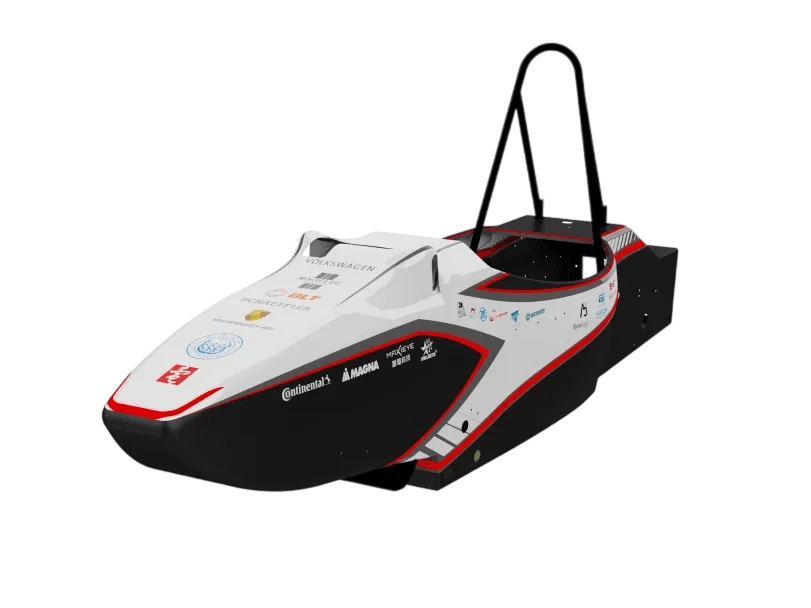
Body and Vehicle Packaging Engineer
1. Construct the skeleton of the DRe race car and define the monocoque unique to DIAN Racing. Develop the powertrain layout and chassis layout for the electric formula race car. Use CATIA and CFD-related industrial software, based on electric and driverless system layout requirements, to perform body design and simulation, developing a universal body platform that meets the needs of future generations of electric and driverless formula race cars;
2. Model and optimize the shape of the monocoque, which needs to meet the assembly requirements of other engineers and is also an important step in body lightweighting;
3. Compare and simulate composite layups for the monocoque, helping the car body significantly reduce weight and improve race car performance while ensuring strength; simulate and design internal inserts to assist future assembly of other systems;
4. Complete experiments on composite material panels, collect and analyze data, and guide the development of the full-vehicle monocoque;
5. Collaborate with other engineers to complete the final assembly design of the vehicle;
6. Continue determining the hardware layout solutions for the driverless formula race car’s steer-by-wire chassis, LiDAR, and onboard computing unit in the future.
Involved toolchain:
CATIA; Star-ccm+; MATLAB/Simulink; ANSYS; Hypermesh
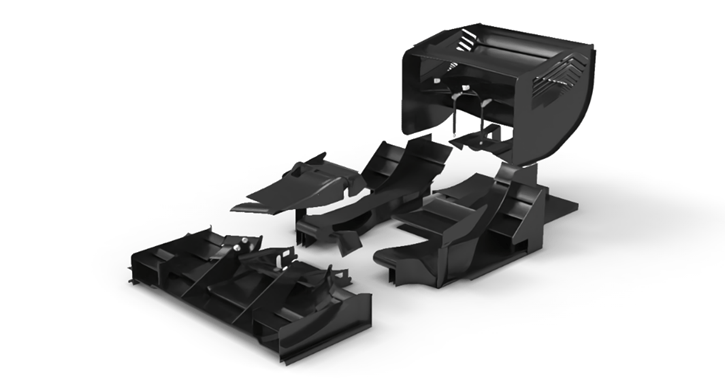
Aerodynamics and Aerodynamic Shape Engineer
1. Lead the design and development of the race car’s aerodynamic package based on full-vehicle performance targets;
2. Utilize CFD software for the design, modeling, and simulation of various aerodynamic components, and understand the influence of different aerodynamic components on the full vehicle;
3. Utilize CFD software to simulate the full-vehicle external flow field, comparing the performance changes of different aerodynamic package combinations under different scenarios and operating conditions, guiding later aerodynamic design and full-vehicle dynamics performance tuning plans;
4. Design and manufacture composite material aerodynamic components;
5. Formulate and implement functional verification and performance verification plans for the aerodynamic package.
Involved toolchain:
CATIA; STAR-CCM+; ANSYS; BETA CAE
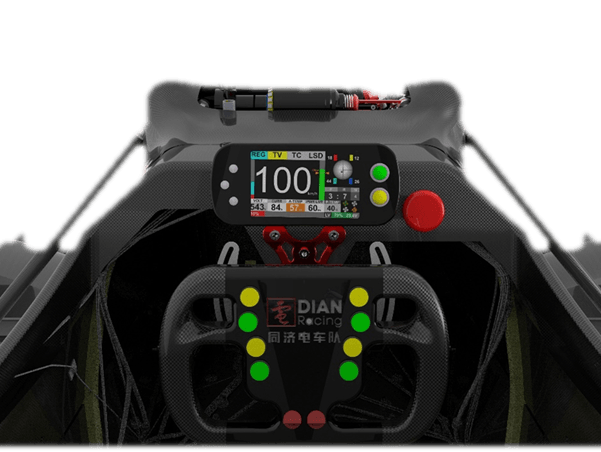
Human-Machine Interface and Safety Systems Engineer
1. Design a human-machine restraint system that meets requirements based on safety objectives and competition rules;
2. Independently develop and manufacture composite material crash structures, complete actual crash tests at professional facilities, and collect and analyze data;
3. Design an excellent human-machine interface and system for the race car;
4. In addition to passive safety system design, design and manufacture a high-voltage safety system suitable for pure electric race cars.
Involved toolchain:
CATIA; ANSYS; Hypermesh; MATLAB/Simulink; Vector CANoe
03
Electronic and Electrical Systems
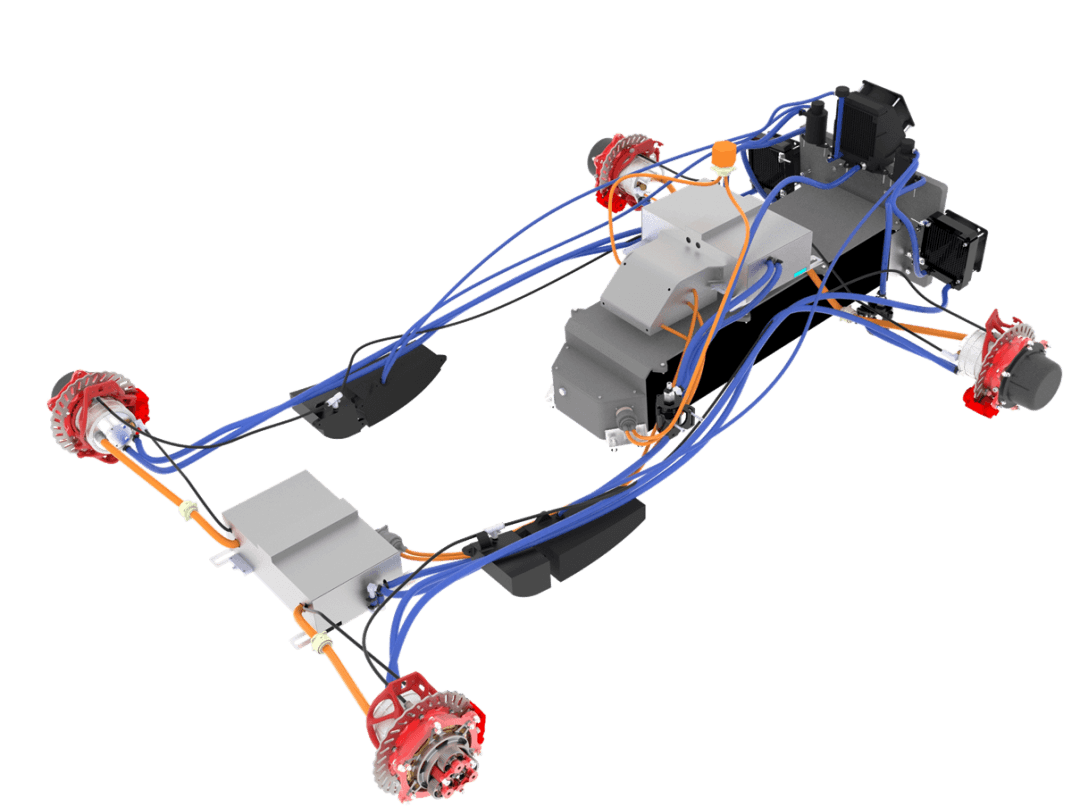
Electric Drive System Engineer
1. Select an appropriate drive system technical solution and vehicle layout plan based on race car performance targets, integrating technology trends and implementation difficulty;
2. Determine a reasonable drive system cable layout based on the drive system arrangement plan, along with matching wiring harness fixation, protection, and electrical connection solutions;
3. Determine the low-voltage electrical system wiring harness layout and connection plan based on the electronic control system requirements, and manage the low-voltage harness system signals and pin definitions;
4. Based on finite element simulation and real vehicle test data, accurately analyze the full-vehicle heat dissipation requirements, and build a complete and reliable heat dissipation system for the motor, inverter, and battery. Use means including but not limited to parameter optimization methods and topology optimization methods to meet the heat dissipation demands under high-load conditions with the lowest system energy consumption and lightest system weight;
5. Participate in the development of the self-developed SiC-MOSFET inverter, and work with other team members to complete the design, debugging, and calibration of the new generation motor controller;
6. Learn motor design-related theories and participate in the design and development of the team’s next-generation high-speed motor.
**Involved toolchain:
**CATIA/SolidWorks;
Altium Designer; Vector CANoe; MATLAB/Simulink; ANSYS_WORKBENCH
(FLUENT/ICEPAK)
FLUID FLOW; Hyperlynx
Powertrain Battery Engineer
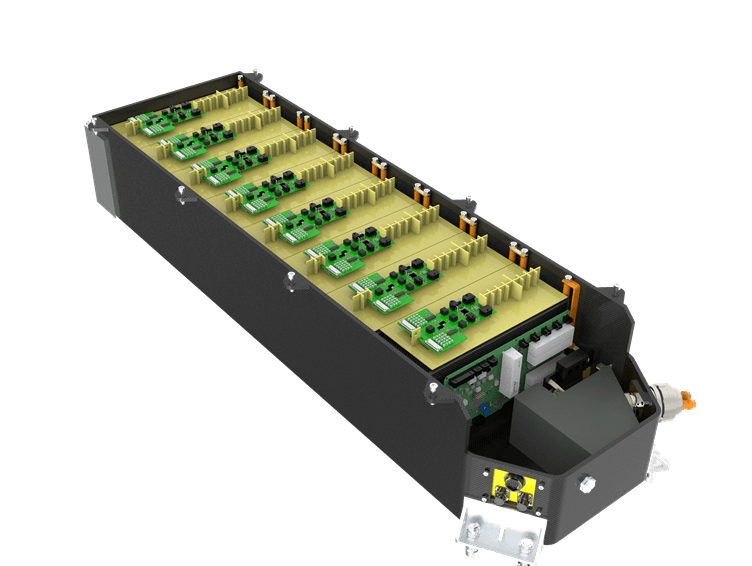
1. Define the high-voltage powertrain battery design requirements based on full-vehicle performance and power consumption needs, integrating FSAE competition rules;
2. Based on the design requirements, starting from cell selection, choose appropriate cells, and design, build, assemble, and test the 600V high-voltage battery platform required by the race car;
3. Design an appropriate cell grouping solution and cell connection solution based on the selected cells and vehicle layout requirements;
4. Design a sufficiently robust and lightweight battery box structure to protect and secure all cells;
5. Cooperate with the electronic control system to develop the BMS battery management system, and jointly establish an appropriate cell voltage and temperature sampling solution;
6. Combine design requirements with simulation calculation results, formulate and implement appropriate cell tests, module tests, cell welding tests, heat dissipation performance tests, and whole-pack performance tests to verify the preliminary design scheme, determine the final battery pack design solution, and implement it;
**Involved toolchain:
**CATIA/SolidWorks; MATLAB/Simulink ; ANSYS_WORKBENCH
(FLUENT/ICEPAK)
Embedded Systems Engineer
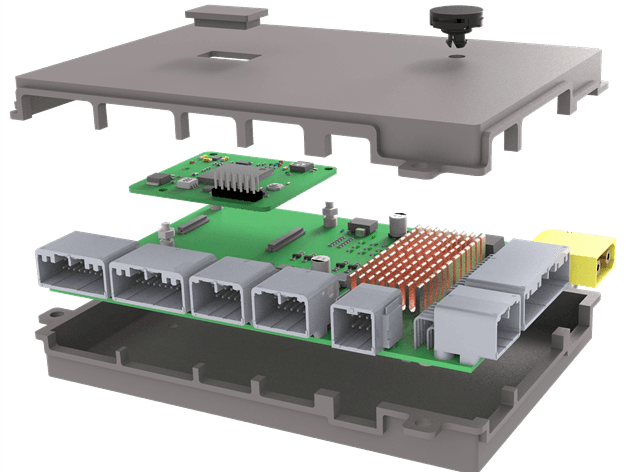
1. Determine an appropriate electronic control system architecture based on the vehicle’s overall control requirements.
2. Define the functions of each electronic control node and build the vehicle communication network.
3. Learn embedded hardware development knowledge, complete embedded system design including electronic component selection and PCB layout, and design electronic control nodes such as the domain controller, BMS, and dashboard.
4. Complete the processing and debugging of embedded system hardware, eliminate hardware design errors, and design reliable, stable electronic control units.
5. Develop corresponding embedded software, completing the development and debugging of the electronic control software.
6. Build a debugging platform for the vehicle’s electronic control system, debug the vehicle CAN communication network, eliminate CAN network communication faults, and ensure the stable operation of the vehicle’s electronic control system.
**Involved Toolchain:
**Altium Designer; CubeIDE/S32DS/VScode; Simulink/Model Based Develop Toolbox; Vector CANoe
04
Driverless System
Driverless System Engineer
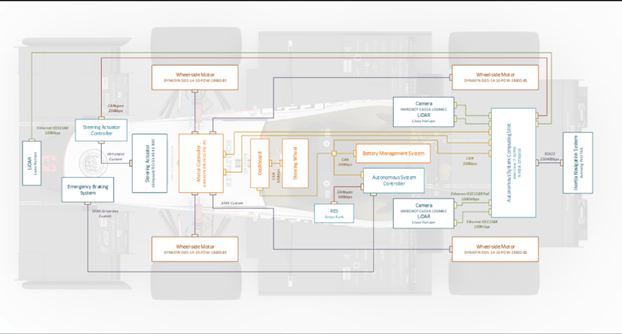
1. Develop the driverless system for the Formula Student driverless race car according to the functional objectives and competition rules.
2. Based on the requirements of each layered module of the driverless system, implement code development for multiple functional modules including track perception and mapping, path planning and decision-making, vehicle motion control, node information processing, and logic control.
3. Build simulation environments to achieve relevant testing and parameter tuning for each functional module of the driverless system.
4. Based on the toolchain related to the enterprise computing platform, realize the migration of algorithms to the onboard computing platform.
5. Perform related testing and tuning of the driverless system in real-world vehicle scenarios.
**Involved Toolchain:
**Linux OS; C/Python IDE; MATLAB/Simulink; Carsim
Drive-by-Wire Chassis Engineer
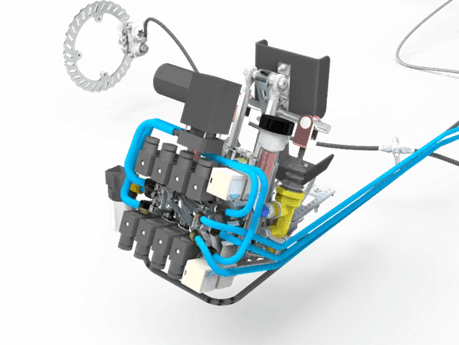
1. Develop the drive-by-wire chassis system for the Formula Student driverless race car according to its functional objectives and competition rules.
2. Based on the output response requirements of the control layer, complete the mechanical solution selection, structural design, and electrical system solution selection and construction for the drive-by-wire chassis.
3. Complete the hardware design and embedded software development for embedded systems such as drive-by-wire chassis motor control, implementing relevant motor control algorithms and signal responses.
4. Design and build a drive-by-wire chassis test bench to achieve control algorithm optimization and parameter adjustment.
5. Perform related testing and tuning of the drive-by-wire chassis system in real-world vehicle scenarios.
Involved Toolchain:
Altium Designer; CubeIDE/S32DS/VScode; Simulink/Model Based Develop Toolbox; Vector CANoe; CATIA; Solidworks; ANSYS
2026 DIAN RACING
03
Department Memories
01
Aerodynamics & Bodywork
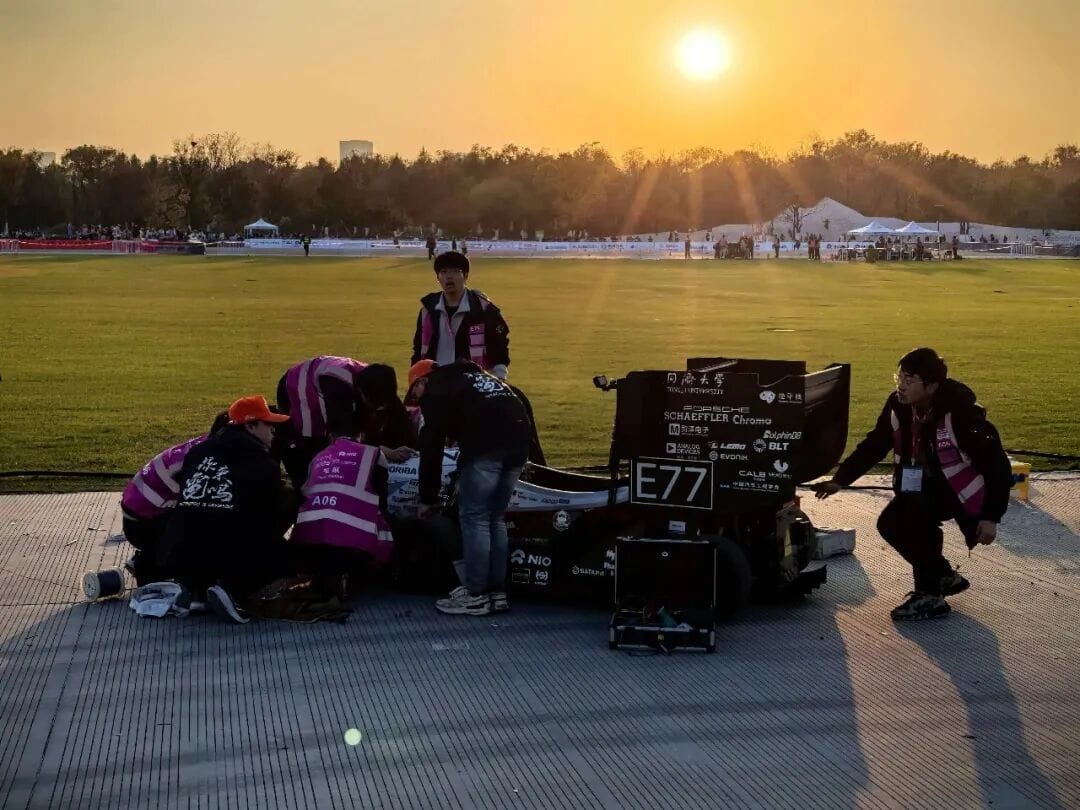
At the 2025 Chinese competition, the Aerodynamics & Bodywork group was racing against time to repair the damaged front wing. The whole team worked together, from the track to the repair area, from the repair area to the scrutineering tent, and then rushing back onto the track… In just 30 minutes, this group of passionate young people, facing the sunset of Luogang Park, delivered the perfect answer for the Aerodynamics & Bodywork group.
02
Electronics & Electrical
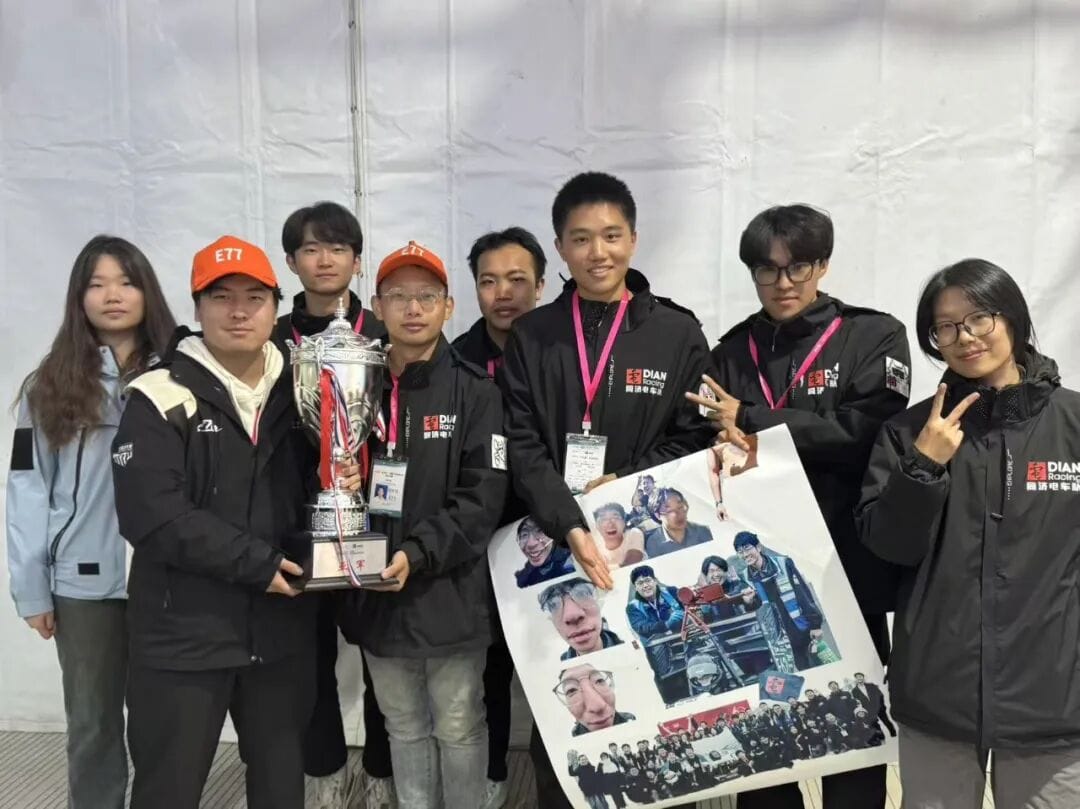
The Harmonious E&E Family
03
Chassis
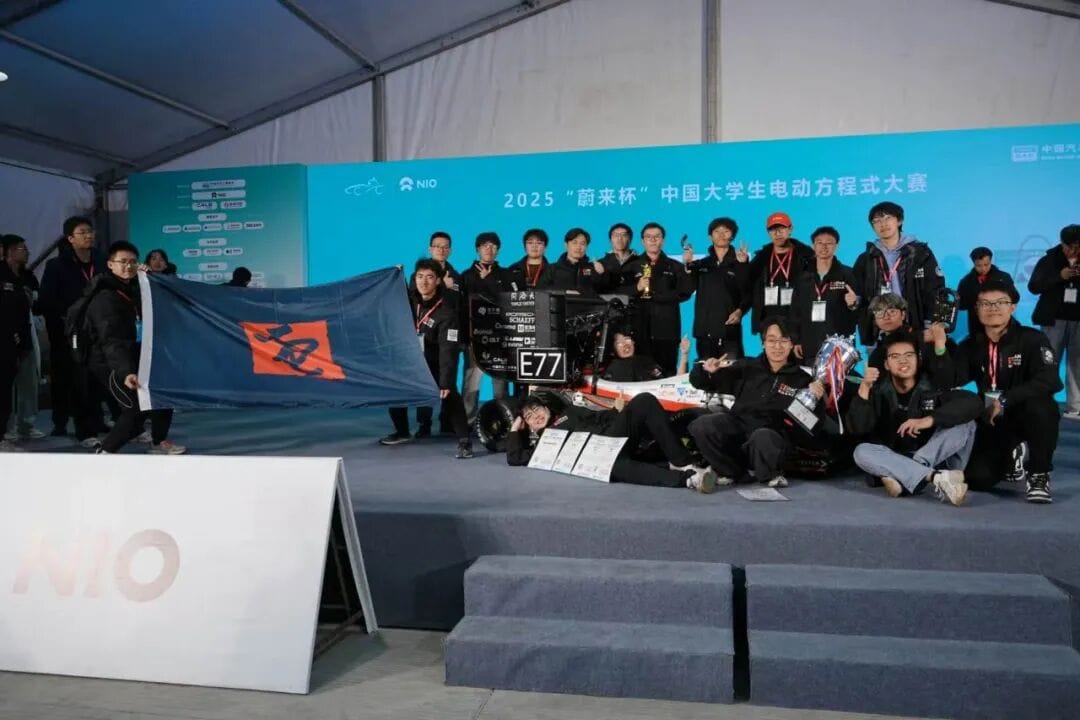
After securing the runner-up trophy, the entire Chassis group captured this moment of honor with the race car E77.
04
Driverless System
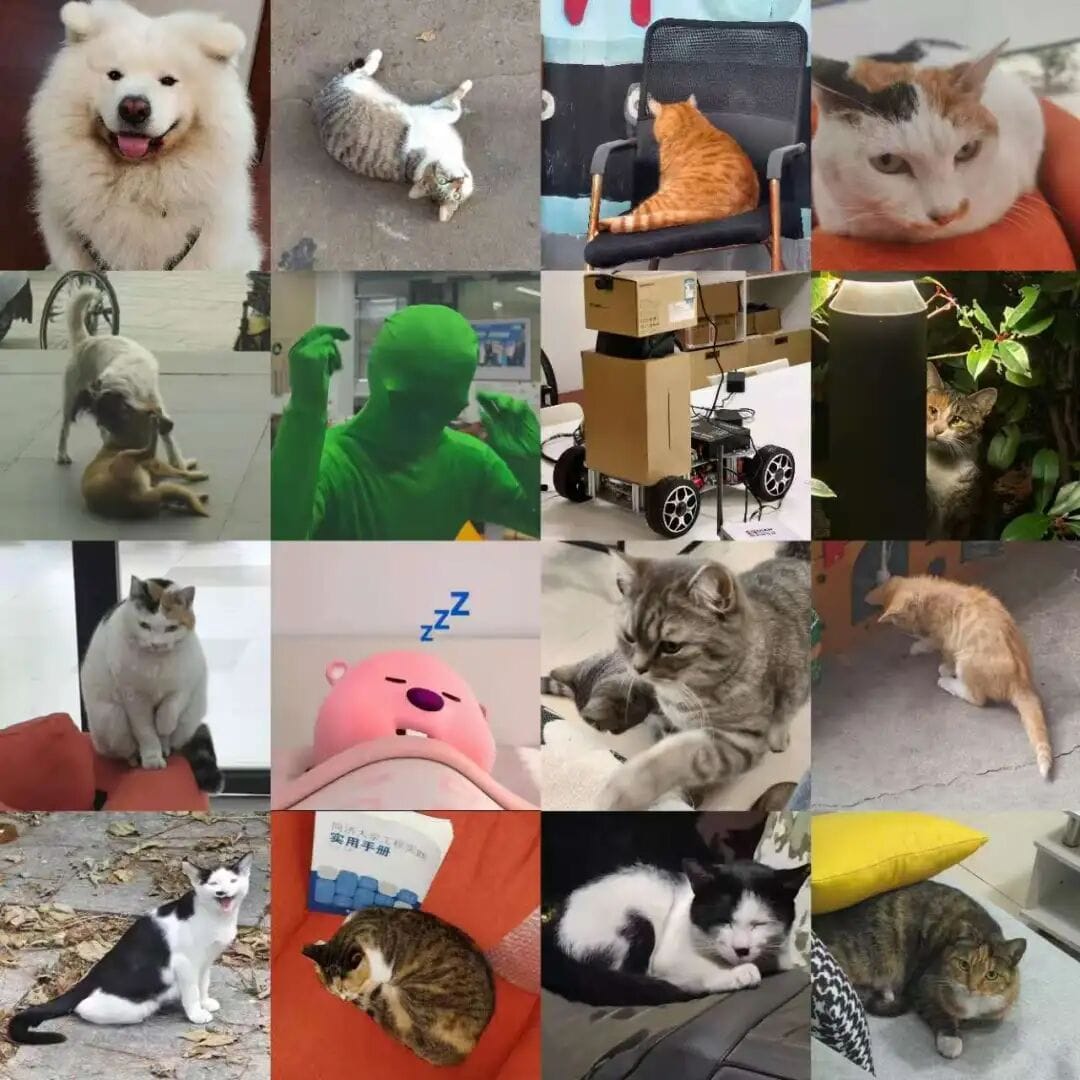
“Driverless” System
05
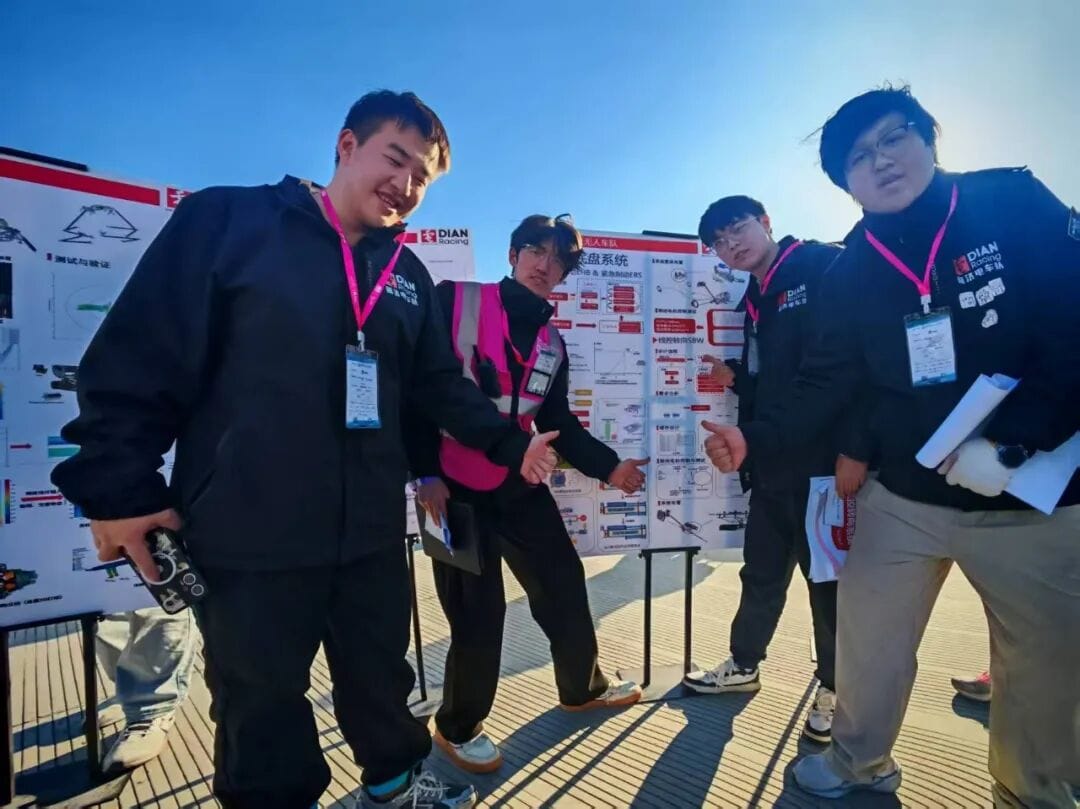
Drive-by-Wire Chassis
The 2025 FSAC Design Event concluded successfully. Group photo of the Drive-by-Wire Chassis design defense members.
06
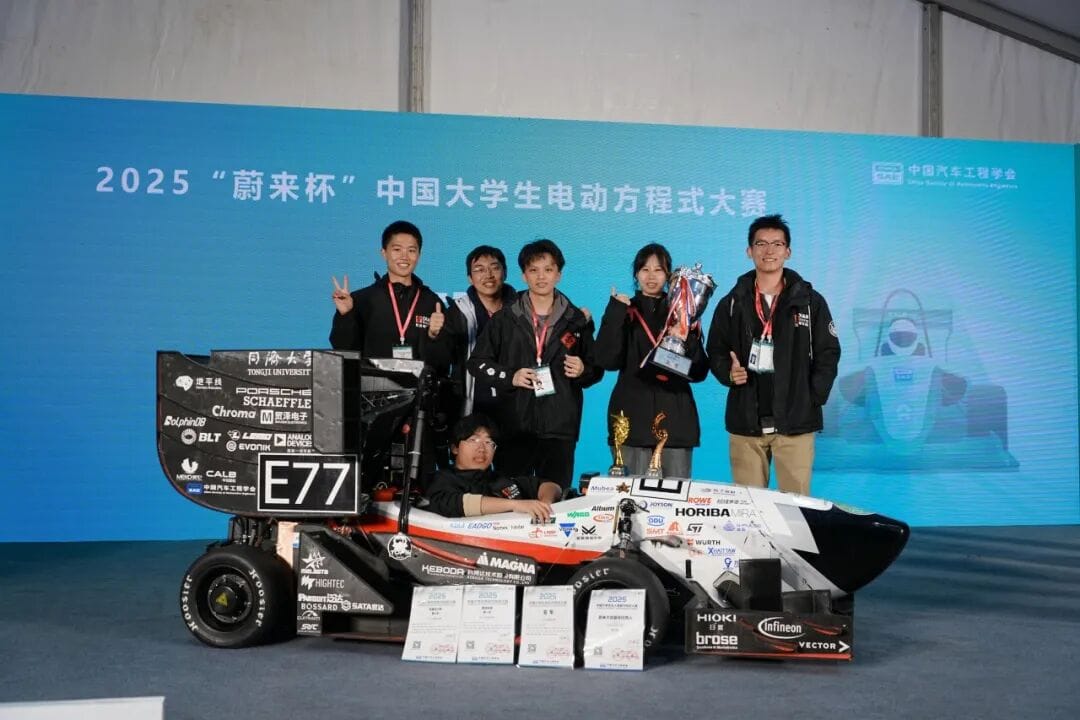
Business Management
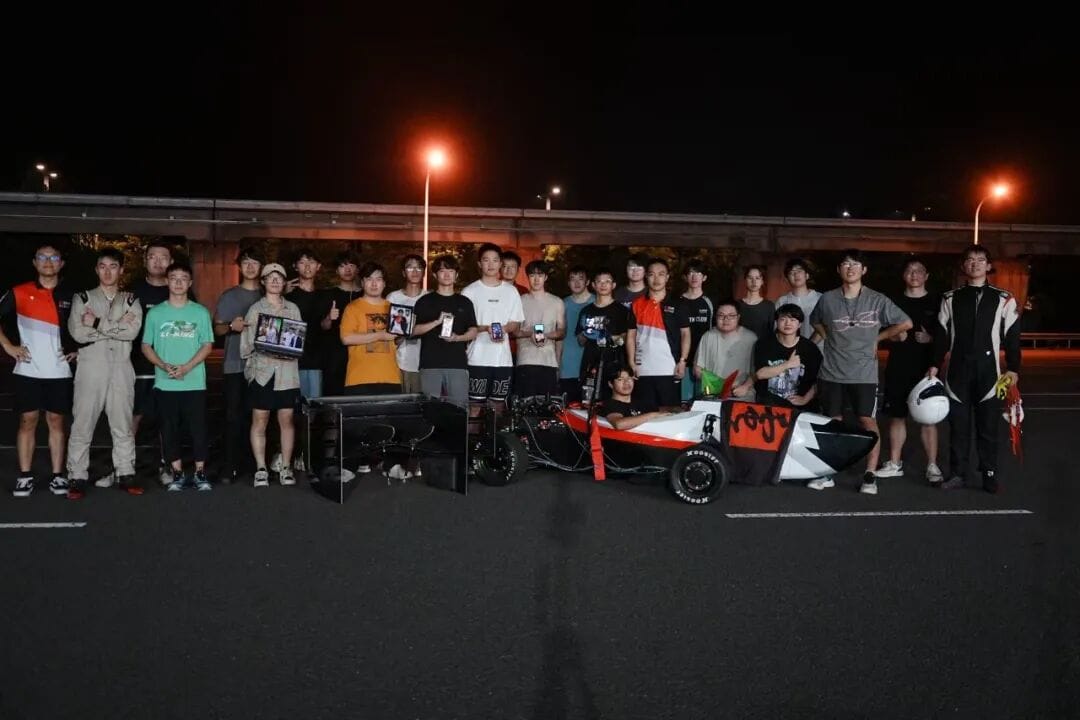
On awards night, Business Management classmates took photos with E77.
2026 DIAN RACING
04
About Recruitment
The overall process for DIAN Racing’s spring recruitment is Registration - Complete Recruitment Assignment - Interview Time Confirmation - Interview - Offer. Completing and submitting the recruitment assignment will earn you an interview qualification. We recognize that the job descriptions in the post might not perfectly help you grasp the work in the team, so during the interview, besides evaluating your assignment, we will also introduce our various positions in detail.
Recruitment Process
Date
Matter
Remarks
3.6
Publish recruitment information/assignment
Published on WeChat Official Account, official website
3.6-3.22
Register information, complete and submit recruitment assignment
Submit via email according to the assignment requirements
3.23-3.26
Interview time confirmation
Will contact via the email provided during registration, please pay attention to email updates
3.28-3.29
Interview
_
3.31
Send offers
Sent via email
Recruitment Assignment
The assignment for each position will be divided into 3 levels. Each level will have 12 questions. A total of 34 questions need to be completed for each position.
The difficulty of Level 1 questions is very low. Simply using a search engine, consulting materials, and flipping through textbooks will allow you to complete all answers with just a formula or a summary of a chapter’s knowledge. Question types include calculation problems, short-answer questions, and problems solvable using tools you have already learned. For the Driverless Team, completing and submitting Level 1 questions on time will earn you an interview qualification.
Level 2 questions add some difficulty, testing the knowledge and skills learned during your freshman year, and may also require some independent learning of new theoretical knowledge before answering. For the Electric Team, completing and submitting Level 2 questions on time will earn you an interview qualification.
Please complete Level 1 and Level 2 questions independently. We do not restrict referencing materials or communication, however, any parts that utilize the results of others’ work must be clearly marked.
Level 3 questions are the most challenging part. Completing all or part of them will greatly enhance your admission evaluation. The questions here may involve using specialized software.
For technical positions, software includes but is not limited to CATIA, SolidWorks, MATLAB/Simulink, ANSYS, etc.
For Business and Management positions, the use of Office software is required, but the use of other tools is not restricted. Additionally, some Level 3 questions will also utilize the conclusions from Level 2 questions. For Level 3 questions, completion by a team of two is allowed, but the form of cooperation and what each person completed must be clearly marked. We believe that good teamwork skills will also benefit you and your partner.
The interview will ask questions based on your submitted assignment and will involve some divergent thinking. Business interviews may require a prepared 3-5 minute presentation.
Images | DIAN Racing
Text | Zhang Kaiwen
Layout | Wu Jiayi, Jin Tianqi
Editor-in-Charge | Tongji Automotive Media Center, Wu Nan
Review | Wang Jiaonan
Approval | Shi Jingyuan, Zhou Yifan