Autumn Recruitment | DIAN Racing 2024 Fall Recruitment Officially Begins
HELLO, we are Tongji “DIAN Racing”
That is, Tongji Electric Racing Team.
With the arrival of the fall semester, DIAN Racing’s recruitment has officially started. Hold on tight, everyone – next stop, DIAN Racing!
Team Lobby
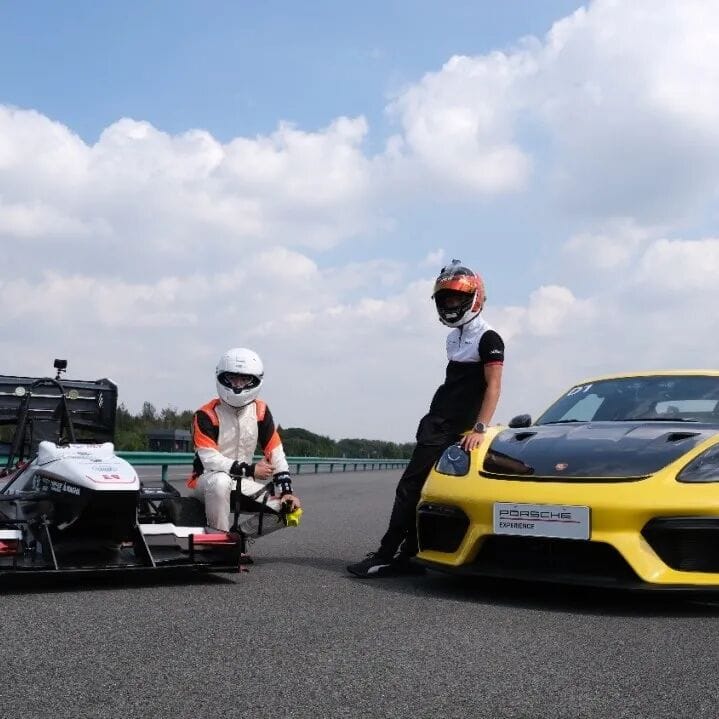
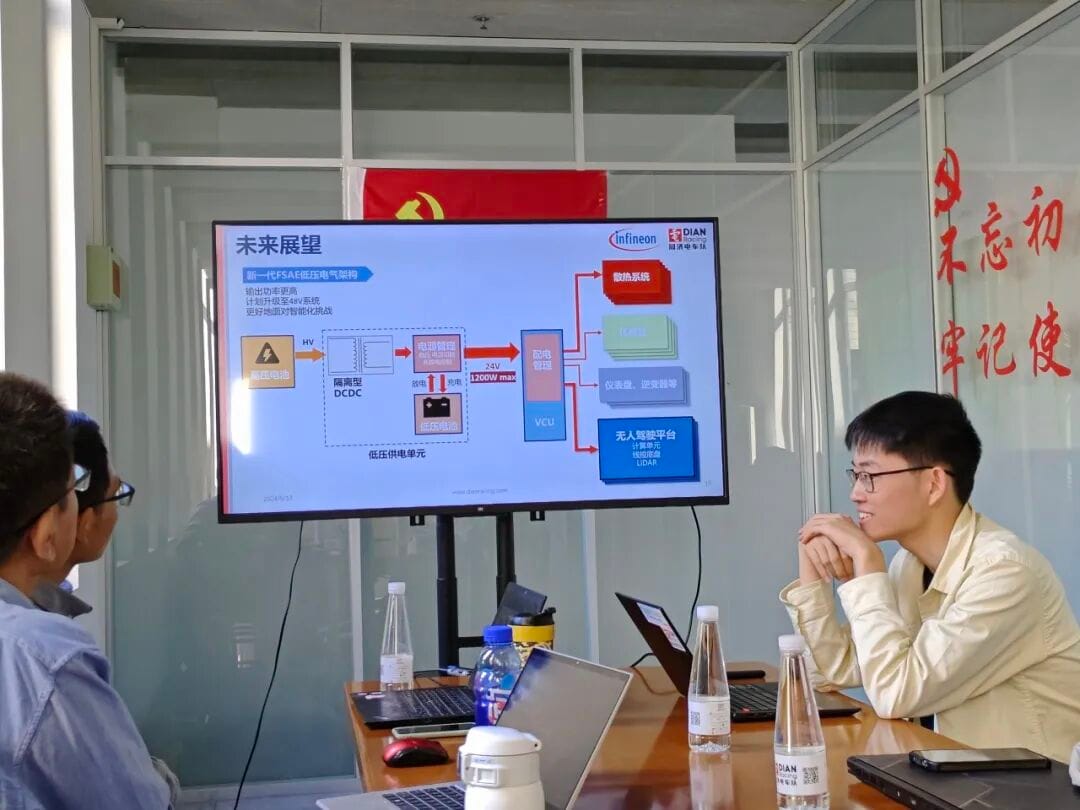
Since its official establishment in March 2013, DIAN Racing’s pursuit of speed, efficiency, and environmental awareness has brought together hundreds of DIAN Racers with international perspectives and innovative mindsets. Our mission is to build a world-class racing team, compete in Formula SAE series events, and create a platform for the new energy vehicle industry. Facing the opportunities and challenges of the new era, intelligent electric vehicles are the technical direction of the team.
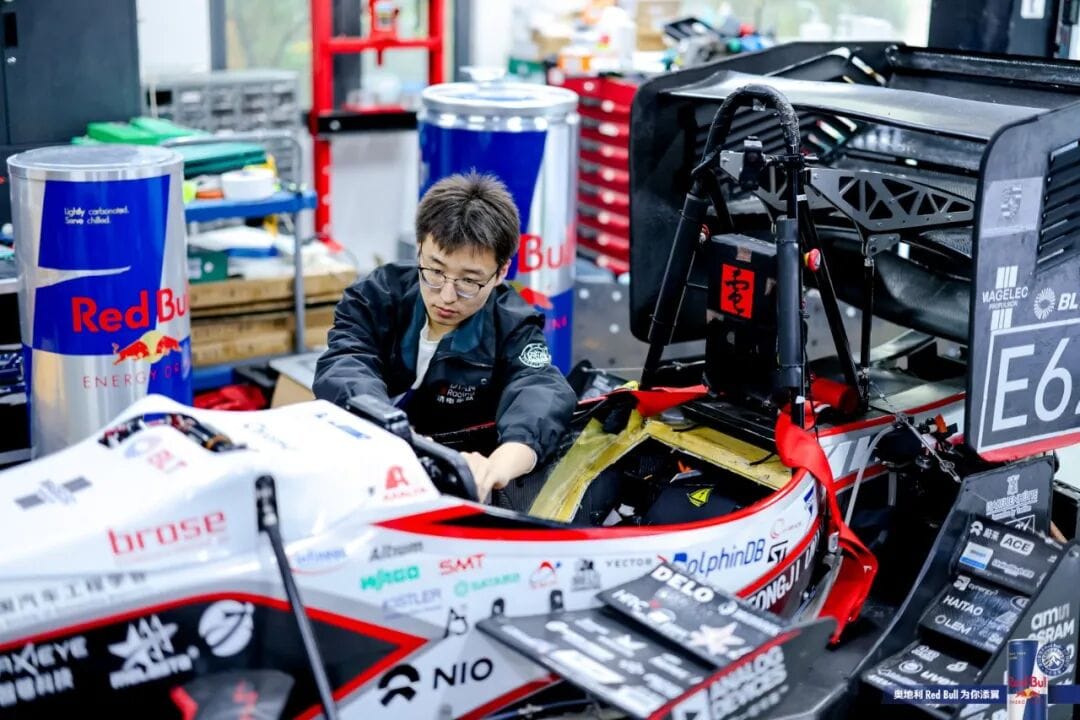
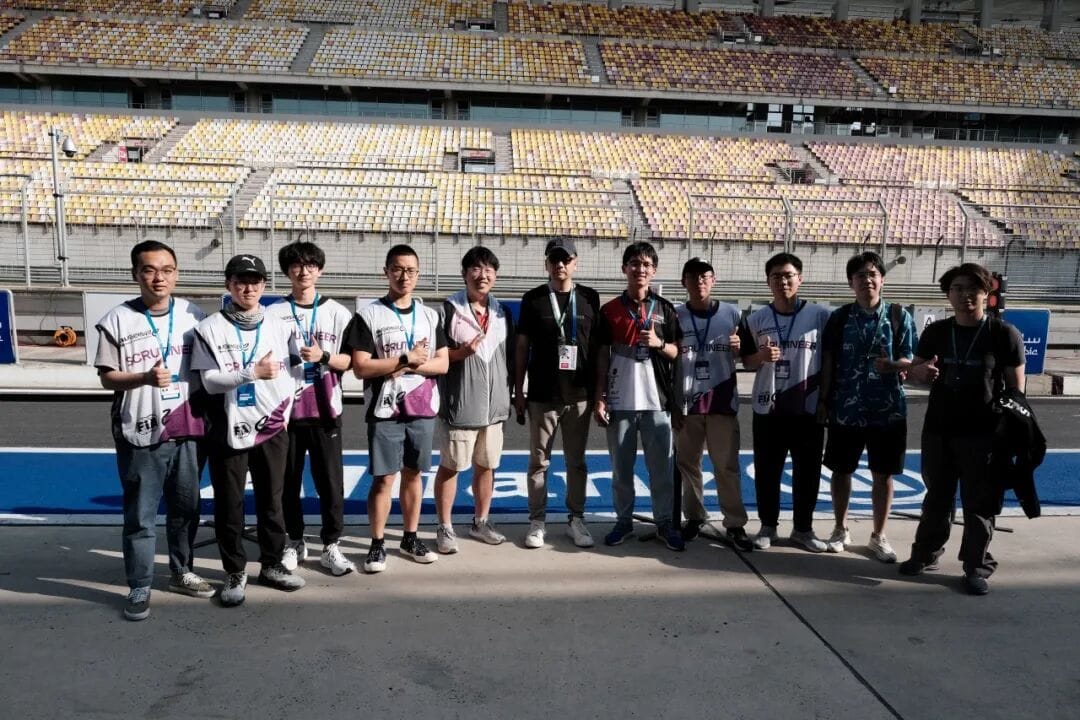
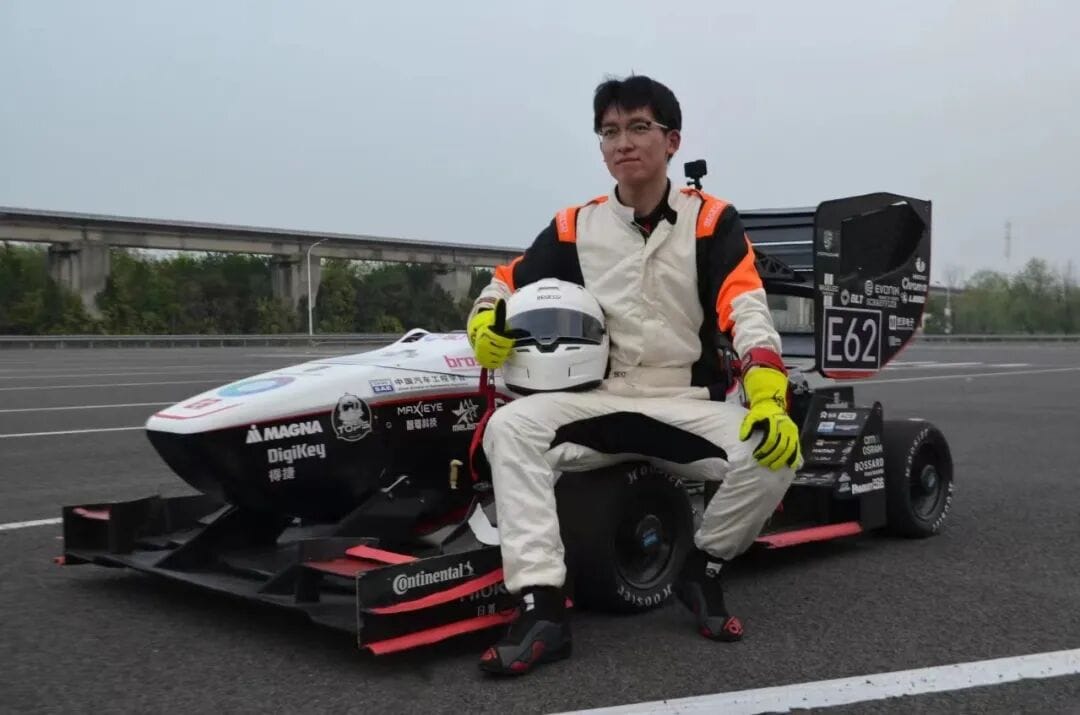
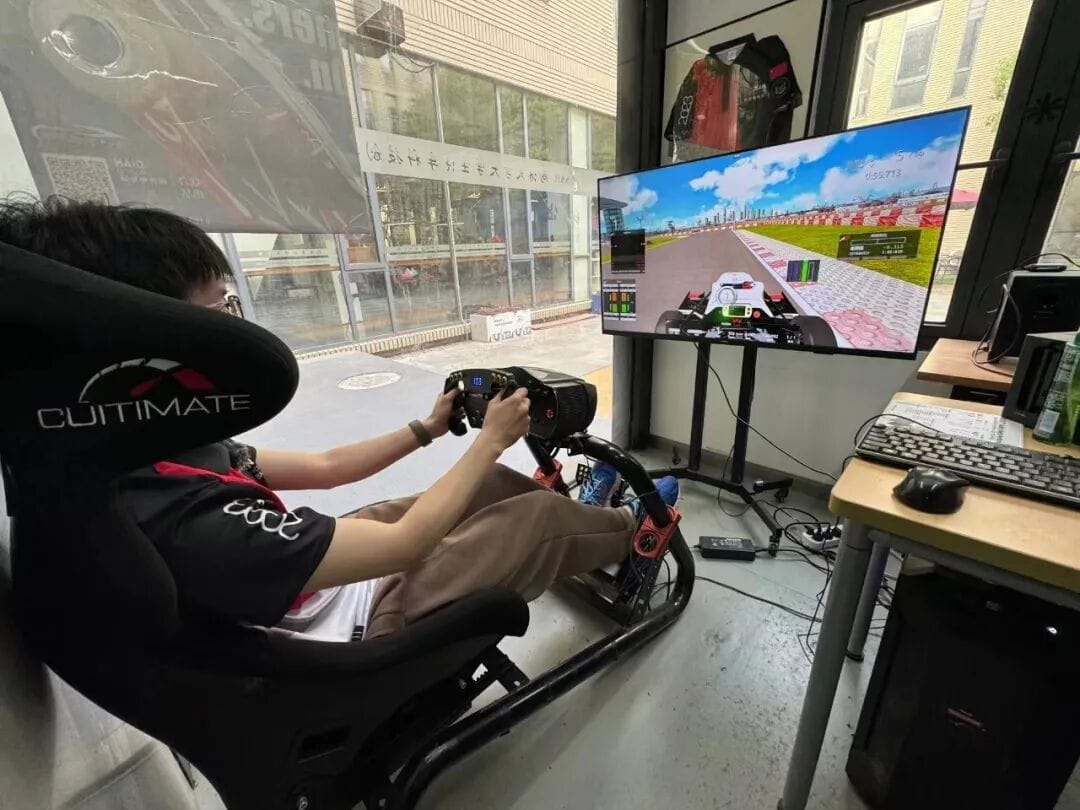
Swipe left or right to see more
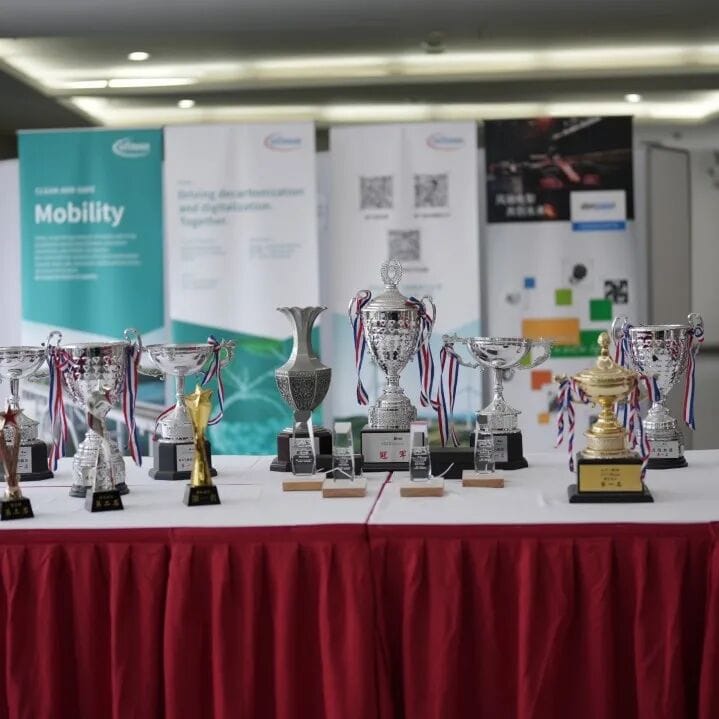
Achievements
2018 Student Formula Japan – Electric Class Runner-up
2019 Student Formula Japan – Electric Class 3rd Place
2020 Formula Student Electric China – Overall Champion
2021 Formula Student Autonomous China – 3rd Place
2023 Student Formula Japan:
Best Aerodynamics Award – 2nd Place
Best MathWorks Award – 2nd Place
Best CAE Award – 1st Place
Best Human-Machine Interface Award – 3rd Place
Design Event – 3rd Place
2023 Formula Student Electric China:
Design Report – 1st Place
Efficiency Test – 2nd Place
Tri-Electric Technology Sharing Award – 3rd Place
MATLAB/Simulink Application Award – Third Prize
Outstanding Business Plan Award
Sponsorship Resources
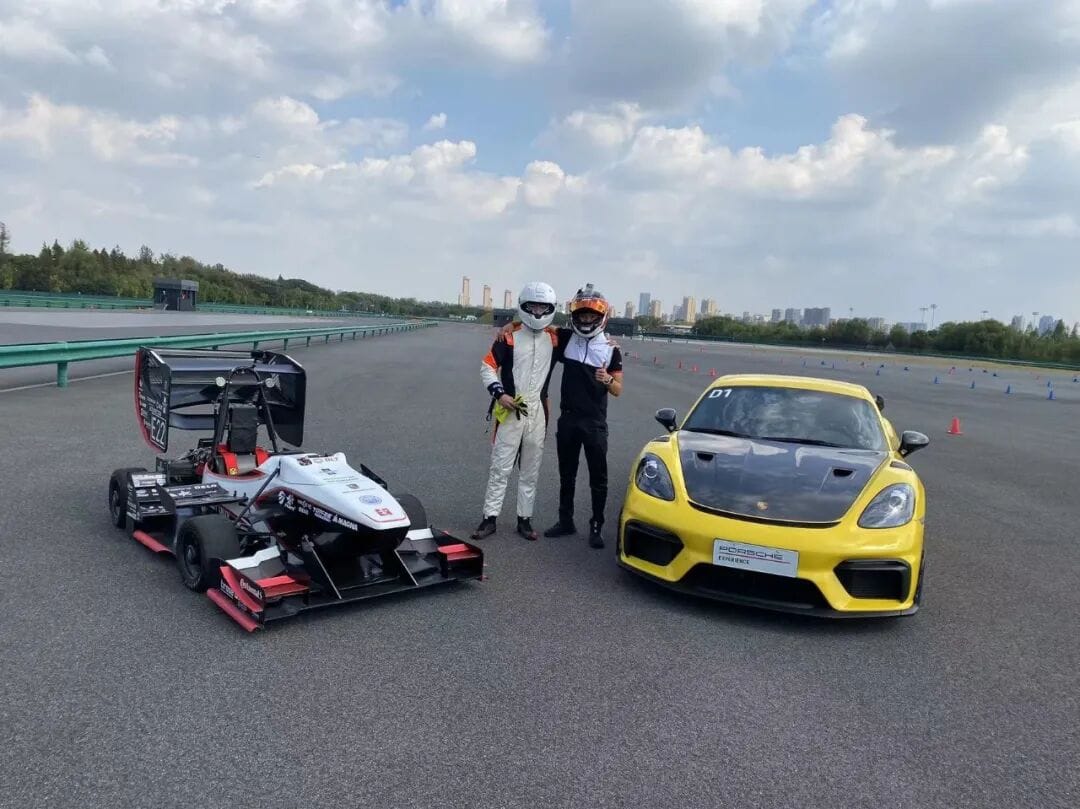
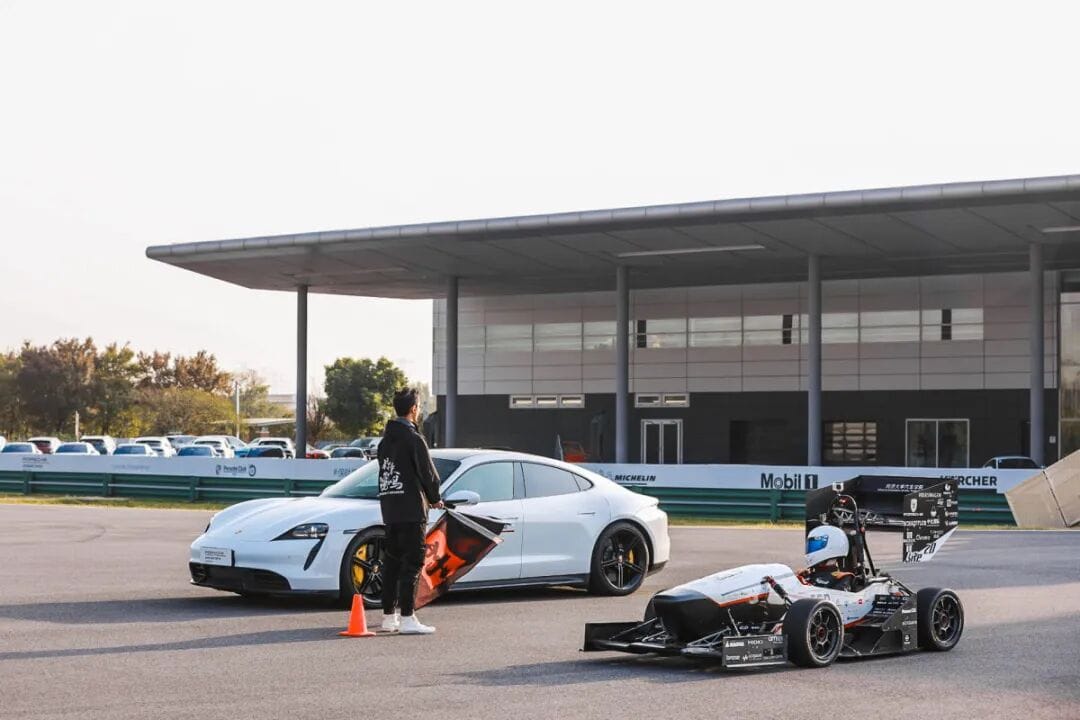
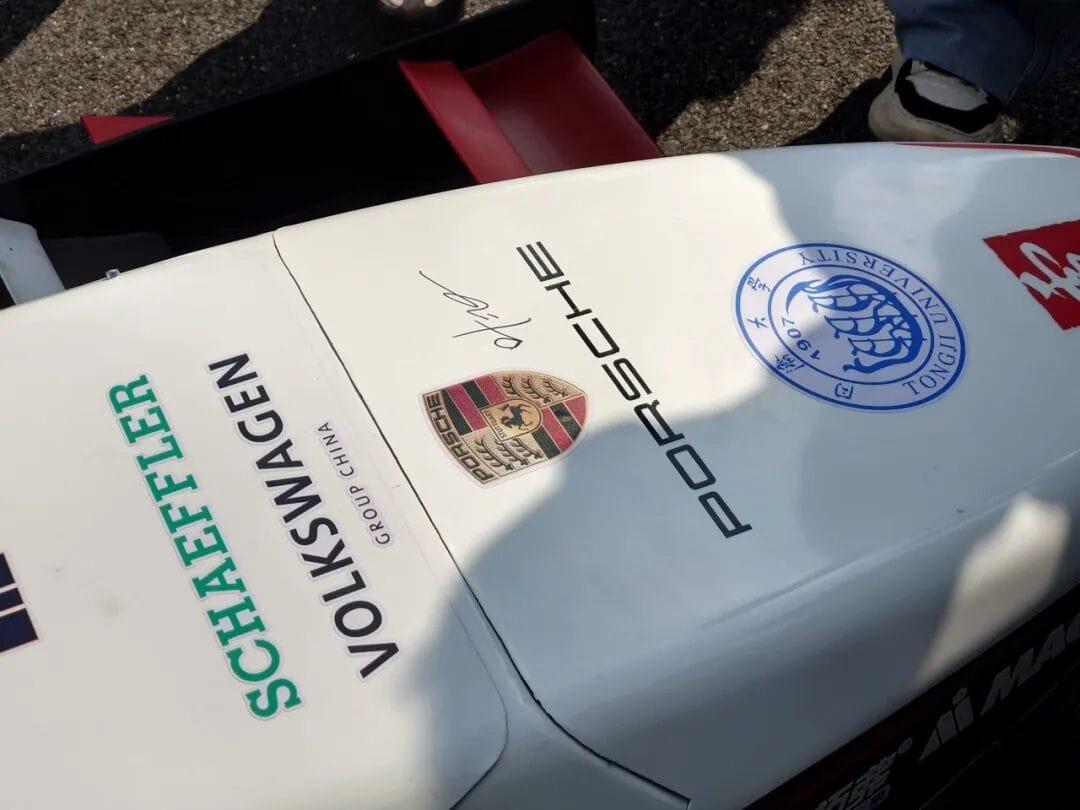
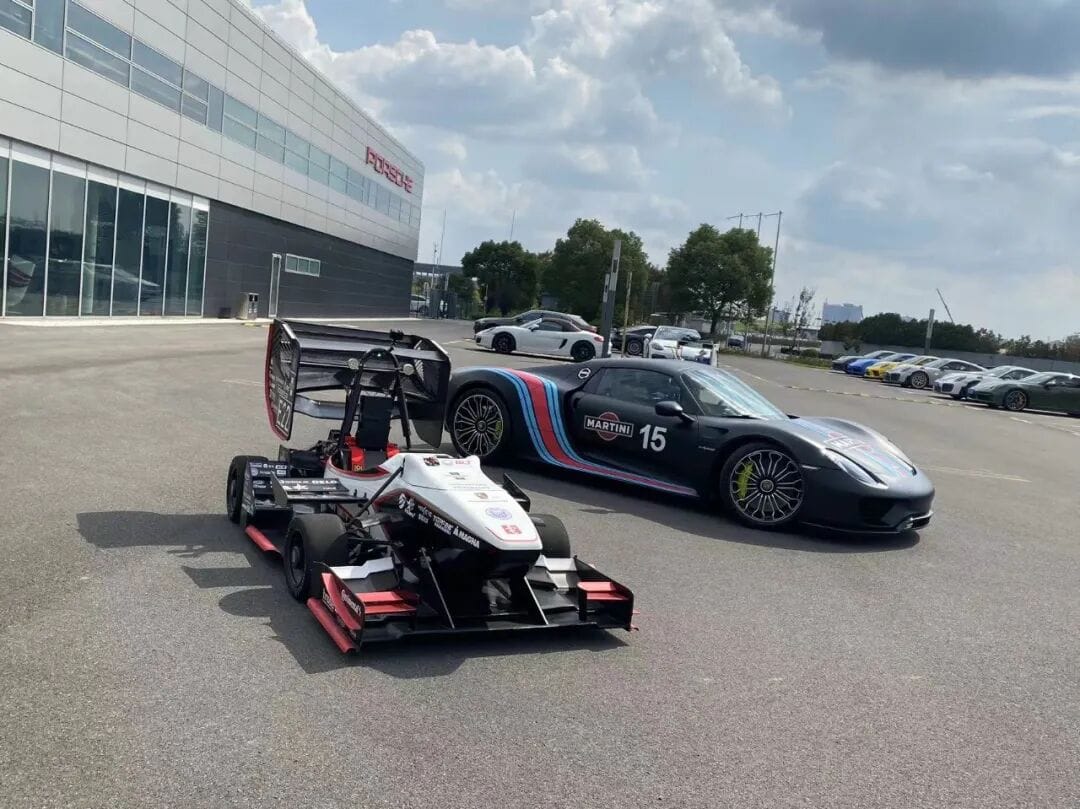
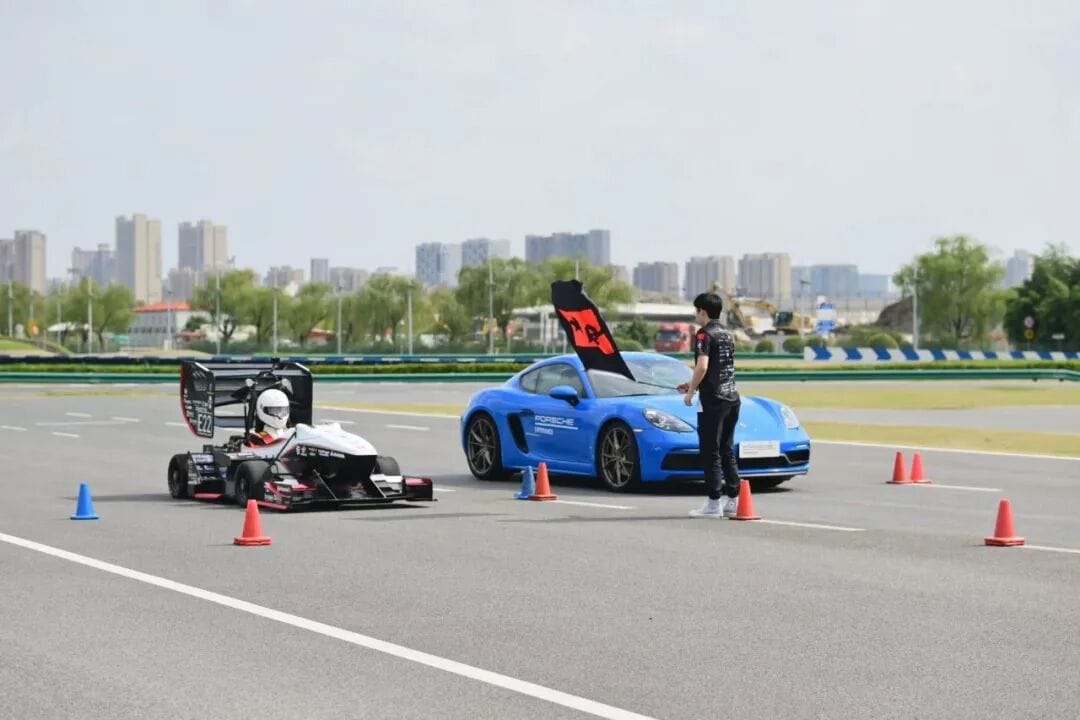
DIAN Racing maintains long-term, positive sponsorship partnerships with over 80 renowned enterprises, including top automotive manufacturers and parts suppliers such as Porsche, Volkswagen, and Schaeffler. The team is committed to providing every DIAN Racer with a platform for innovation and hands-on practice, cultivating innovative talent for the intelligent new energy vehicle industry. Here, you can hone your engineering and hands-on skills, improve your communication and networking abilities, and gain opportunities for early internships at excellent companies. If you want to add a brilliant chapter to your university life, make lifelong friends, and join an interesting and meaningful group, DIAN Racing is definitely a great choice. Welcome to the DIAN family!
Swipe left or right to see more
Team Structure
Based on the team’s development needs, we have created the “Function Owner” (FO) system, which breaks down traditional boundaries between technical groups, enhances the overall vehicle design capabilities of members, and provides comprehensive skill development.
In a season, we set up multiple sub-projects, such as battery assembly, wheel assembly, ergonomics, composite layup design, business activities, etc. According to project requirements, we select outstanding members and appoint FOs to manage project progress. For technical knowledge inheritance, we have established four technical groups – Chassis, Body, Electronic Control, and Electrical – plus an Operations group (Business + Management), where members learn corresponding skills and knowledge.
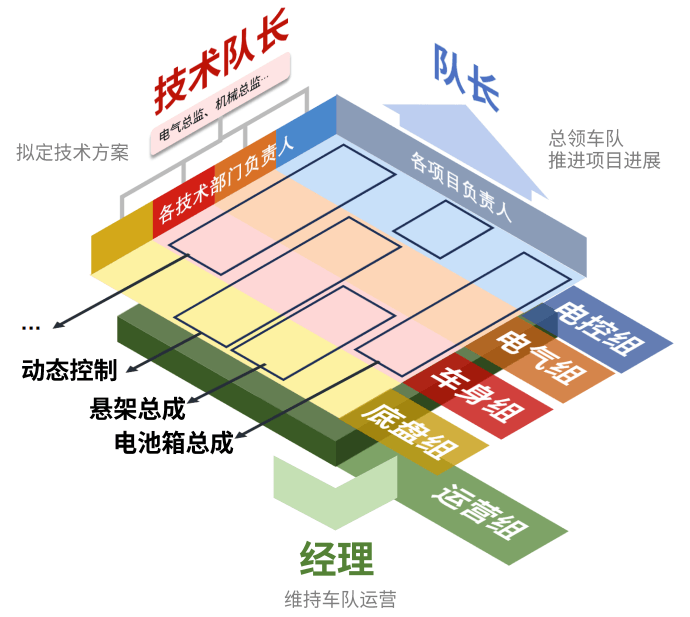
Under the new team structure, a member joins DIAN Racing in a specific role and enters a group, learning knowledge and skills, and cultivating excellent engineering thinking and innovative design methods. During work, they will be involved in multiple projects and project groups, practicing engineering abilities, exploring themselves, and breaking through limits. Following the growth path of probationary member, core member, and key member, they become a new force in the future of new energy vehicles amidst the wave of electrification and intelligence in the automotive industry.
Recruitment Positions
Choose the position you are interested in, and become a DIAN Racer.
Brand Image Management
- Collect and organize information on Formula SAE business and sponsorship fields domestically and internationally, keeping abreast of the latest trends;
- Develop strategies and annual plans according to the team’s overall development strategy;
- Manage brand image to ensure it aligns with DIAN Racing’s brand positioning and settings; oversee the design and production of all brand promotional materials, such as posters, brochures, videos, etc.;
- Execute activities according to the annual plan, participate in planning and implementing market communication campaigns, such as exhibitions, roadshows, and promotional events; be responsible for marketing budget and cost control;
- Complete the Business Plan Presentation static event at competitions according to event rules and prior plans.
Tools involved: Adobe Illustrator; Adobe Photoshop; Adobe Premiere Pro; KeyShot
Sponsorship Relationship Management
- Liaise with existing sponsors, communicate and understand their needs, and accurately convey them to the team for execution;
- Develop new sponsorship channels according to the team’s needs;
- Collaborate with sponsors to create cooperation plans and drive implementation;
- Execute sponsor activities according to the annual plan, participate in planning and implementing market communication campaigns, such as exhibitions, roadshows, and promotional events; be responsible for marketing budget and cost control;
- Complete the Business Plan Presentation static event at competitions according to event rules and prior plans.
Tools involved: Adobe Illustrator; Adobe Photoshop; Adobe Premiere Pro; KeyShot
Team Resource Management
- Handle team personnel information management; be familiar with the team structure and maintain and update member information;
- Collaborate with sponsors to create cooperation plans and drive implementation;
- Customize and develop project management software according to needs; jointly carry out project management with the Team Captain and Function Owners;
- Learn programming languages for data analysis; build and maintain the team’s time-series databases according to needs; work with engineers to achieve data analysis in various scenarios;
- Manage funds appropriately to ensure the team’s cash flow remains healthy;
- Manage the workshop layout and daily operations to ensure smooth team work;
- Organize team-building activities, visits, etc., according to needs; foster internal team culture;
- Complete the Cost Report static event at competitions according to event rules and prior plans.
Tools involved: DolphinDB; Adobe Photoshop; KeyShot; MATLAB; Python
Chassis and Dynamic Control Architecture Engineer
- Chassis and vehicle dynamics development involves suspension, steering, braking, wheel assembly, lateral/longitudinal control, etc.
- Develop a rule-compliant, high-performance chassis system according to overall vehicle requirements; understand the impact of various chassis design parameters on vehicle performance and make informed trade-offs;
- Build vehicle dynamics models using VI-grade or other software for full-vehicle dynamics simulation;
- Use SolidWorks and other modeling software, as well as Ansys and other static/thermal simulation software, for chassis component design and simulation;
- Develop active control algorithms and energy recovery algorithms for the race car as needed, achieving active dynamics control and excellent power consumption performance for distributed four-wheel-drive vehicles;
- Modify chassis parameters and control algorithms during vehicle testing and tuning, striving to perfectly integrate mechanical and dynamic control algorithms for better performance;
- Collect, organize, and analyze test data; use time-series database software to analyze and visualize vehicle data, guiding subsequent vehicle tuning and algorithm optimization;
- Continue to develop and test functions such as lateral and longitudinal control for autonomous Formula Student in the future.
Tools involved: CATIA; SolidWorks; MATLAB/Simulink; Vector CANoe; DolphinDB; VI-grade; CarSim; ANSYS; Altair Inspire; HyperMesh
Body and Packaging Engineer
- Construct the skeleton of the DRe race car; define DIAN Racing’s unique monocoque; develop powertrain and chassis packaging for the electric formula car; use CATIA and CFD-related industrial software to design and simulate the body based on electric and autonomous system packaging requirements; develop a universal body platform that meets the needs of future generations of electric and autonomous formula cars;
- Model and optimize the monocoque shape to meet the assembly requirements of other engineers, while also being an important step in body lightweighting;
- Simulate and compare composite layup materials for the monocoque, helping to significantly reduce weight while ensuring strength and improving performance; design internal hardpoints to assist with the assembly of other future systems;
- Conduct composite panel tests, collect and analyze data, and guide overall vehicle monocoque development;
- Collaborate with other engineers to complete the overall vehicle assembly design;
- Continue to determine the hardware packaging layout for autonomous formula race cars’ drive-by-wire chassis, LiDAR, and onboard computing units in the future.
Tools involved: CATIA; STAR-CCM+; MATLAB/Simulink; ANSYS; HyperMesh
Electric Drive System Engineer
- Based on race car performance targets, select appropriate drive system technology solutions and vehicle packaging schemes, considering technology trends and implementation difficulty;
- Determine a reasonable drive system cabling layout and corresponding harness fixing, protection, and electrical connection solutions according to the drive system packaging plan;
- Determine the low-voltage electrical system harness layout and connection scheme according to the electronic control system requirements; manage the low-voltage harness system signals and pin definitions;
- Accurately analyze the vehicle’s cooling requirements based on finite element simulations and real-world test data; design a complete and reliable cooling system for the motor, inverter, and battery; use methods including but not limited to parameter optimization and topology optimization to meet the cooling requirements under high-load conditions with minimal system energy consumption and weight;
- Participate in the development of the self-developed SiC-MOSFET inverter; work with other members to complete the design, debugging, and calibration of the next-generation motor controller;
- Learn motor design-related theories and participate in the design and development of the team’s next-generation high-speed motor.
Tools involved: CATIA/SolidWorks; Altium Designer; Vector CANoe; MATLAB/Simulink; ANSYS Workbench (FLUENT/ICEPAK); Fluid Flow; HyperLynx
Traction Battery Engineer
- Define the design requirements for the high-voltage traction battery based on overall vehicle performance and power consumption needs, considering Formula SAE event rules;
- Based on design requirements, starting from cell selection, design, build, assemble, and test the 600V high-voltage battery platform required for the race car;
- Design appropriate cell grouping and connection solutions based on the selected cells and vehicle packaging needs;
- Design a sufficiently strong and lightweight battery box structure to protect and secure all cells;
- Cooperate with the electronic control system to develop the BMS (Battery Management System); jointly establish a suitable cell voltage and temperature sampling scheme;
- Based on design requirements and simulation results, formulate and implement appropriate cell tests, module tests, cell welding tests, cooling performance tests, and full-pack performance tests to validate the initial design; determine the final battery pack design and implement it.
Tools involved: CATIA/SolidWorks; MATLAB/Simulink; ANSYS Workbench (FLUENT/ICEPAK)
Embedded System Engineer
- Determine a suitable electronic control system architecture based on vehicle control requirements;
- Define the functions of each electronic control unit and build the vehicle communication network;
- Learn embedded hardware development knowledge; complete embedded system design including component selection and PCB layout; design electronic control units such as domain controllers, BMS, and dashboard;
- Complete the fabrication and debugging of embedded system hardware; troubleshoot hardware design errors; design reliable and stable electronic control units;
- Develop corresponding embedded software; complete the development and debugging of electronic control software;
- Build a vehicle electronic control system debugging platform; debug the vehicle CAN communication network; troubleshoot CAN network communication faults to ensure stable operation of the vehicle electronic control system.
Tools involved: Altium Designer; CubeIDE/S32DS/VS Code; Simulink/Model-Based Develop Toolbox; Vector CANoe
Aerodynamics and Aero Shape Engineer
- Based on overall vehicle performance targets, lead the design and development of the race car’s aerodynamic package;
- Use CFD software to design, model, and simulate various aerodynamic components; understand the impact of different aero components on the vehicle;
- Use CFD software to simulate the vehicle’s external flow field; compare the performance changes of different aero package combinations under various scenarios and conditions, guiding subsequent aerodynamic design and vehicle dynamics tuning plans;
- Design and manufacture composite aerodynamic components;
- Formulate and implement functional and performance validation plans for the aerodynamic package.
Tools involved: CATIA; STAR-CCM+; ANSYS; BETA CAE
Human-Machine Interface and Safety System Engineer
- Design rule-compliant human restraint systems according to safety objectives and event rules;
- Independently develop and manufacture composite energy-absorbing structures; conduct actual crash tests at professional facilities; collect and analyze data;
- Design a good driver-machine interface and system for the race car;
- In addition to passive safety system design, design and manufacture high-voltage safety systems suitable for pure electric race cars.
Tools involved: CATIA; ANSYS; HyperMesh; MATLAB/Simulink; Vector CANoe
Autonomous System Engineer
- Develop the autonomous system for the autonomous Formula Student race car based on autonomous driving functional objectives and event rules;
- Based on the requirements of each layered module of the autonomous system, implement code development for multiple functional modules such as track perception and mapping, path planning and decision-making, vehicle motion control, node information processing and logic control;
- Set up a simulation environment to conduct testing and parameter tuning for various functional modules of the autonomous system;
- Based on the enterprise computing platform toolchain, realize the migration of algorithms to the onboard computing platform;
- Conduct testing and tuning of the autonomous system in real-vehicle scenarios.
Tools involved: Linux OS; C/Python IDE; MATLAB/Simulink; CarSim
Drive-by-Wire Chassis Engineer
- Develop the drive-by-wire chassis system for the autonomous Formula Student race car based on functional objectives and event rules;
- Based on the response requirements output by the control layer, complete the mechanical solution selection, structural design, and electrical system solution selection and construction for the drive-by-wire chassis;
- Complete the hardware design and embedded software development for the drive-by-wire chassis motor control and other embedded systems; implement relevant motor control algorithms and signal responses;
- Design and build a drive-by-wire chassis test bench; optimize control algorithms and adjust parameters;
- Conduct testing and tuning of the drive-by-wire chassis system in real-vehicle scenarios.
Tools involved: Altium Designer; CubeIDE/S32DS/VS Code; Simulink/Model-Based Develop Toolbox; Vector CANoe; CATIA; SolidWorks; ANSYS
Fall Launch – Waiting for Your Spark
The overall process of DIAN Racing’s fall recruitment is Registration – Email Appointment for Interview – Interview – Complete Recruitment Assignment – Offer. We realize that the position descriptions in the post may not fully help you understand what we do, so we will provide a detailed introduction during the interview. You can choose a position you are interested in during the interview, then complete the corresponding recruitment assignment. After evaluation and approval, you can become a DIAN Racer!
| Time | Content | Remarks |
|---|---|---|
| 8/31 | Publish the recruitment group QR code | _ |
| 9/11 | Publish recruitment information and assignments | Via WeChat Official Account and website |
| 9/11-9/19 | Register and submit recruitment assignments | Submit via email according to assignment requirements |
| 9/20 | Interview time confirmation | Confirmation will be sent to the email provided during registration; please check your inbox |
| 9/21-9/24 | Interview | _ |
| 9/26 | Offer letters sent | Via email |
Fill out the form to register

Scan the QR code to join the group for more info

Recruitment Assignments
Electric Team cloud drive link (assignments + supplementary materials):
https://pan.baidu.com/s/1aj_xVy4R24CJdM8Y_PxEPw
Access code: DIAN
Autonomous Team cloud drive link (assignments + supplementary materials):
https://pan.baidu.com/s/14Poss5mA7rhApzlWBJBfZA
Access code: DIAN
Each position’s assignments are divided into 3 levels. Each level has 1–2 questions. Each position requires completing 3–4 questions in total.
Level 1 questions are very easy. You can solve them by searching online, consulting materials, or reviewing textbooks; a formula or a chapter summary might be all you need. Types include calculation problems, short-answer questions, and problems solvable with tools you already know. Autonomous Team applicants only need to complete Level 1 questions and submit on time to qualify for an interview.
Level 2 questions are slightly more challenging, testing knowledge and skills learned in your freshman year. You may also need to independently study some new theoretical knowledge before answering. Electric Team applicants only need to complete Level 2 questions and submit on time to qualify for an interview.
For Level 1 and Level 2 questions, you must work independently. We do not restrict consulting materials or communicating with others, but any use of others’ work must be clearly indicated.
Level 3 questions are the most difficult. Completing all or part of them will significantly boost your evaluation. These questions may involve using professional software; technical positions include but are not limited to CATIA, SolidWorks, MATLAB/Simulink, ANSYS, etc.; business and management positions require using Office software, but other tools are also welcome. Some Level 3 questions may build on conclusions from Level 2. For Level 3 questions, working in teams of 2 is allowed, but you must clearly state the form of cooperation and each person’s contributions. We believe good teamwork ability will also be a plus for you and your partner.
During the interview, we will ask questions about the assignment you submitted and may expand on it. For business positions, you may need to prepare a 3–5-minute presentation.

Special Thanks