“Recharge” Program
At the world’s seventh Porsche Experience Centre, Porsche’s first electric sports car opened its doors to students from Tongji University’s DIAN Racing, marking the beginning of an unforgettable summer “recharge.”
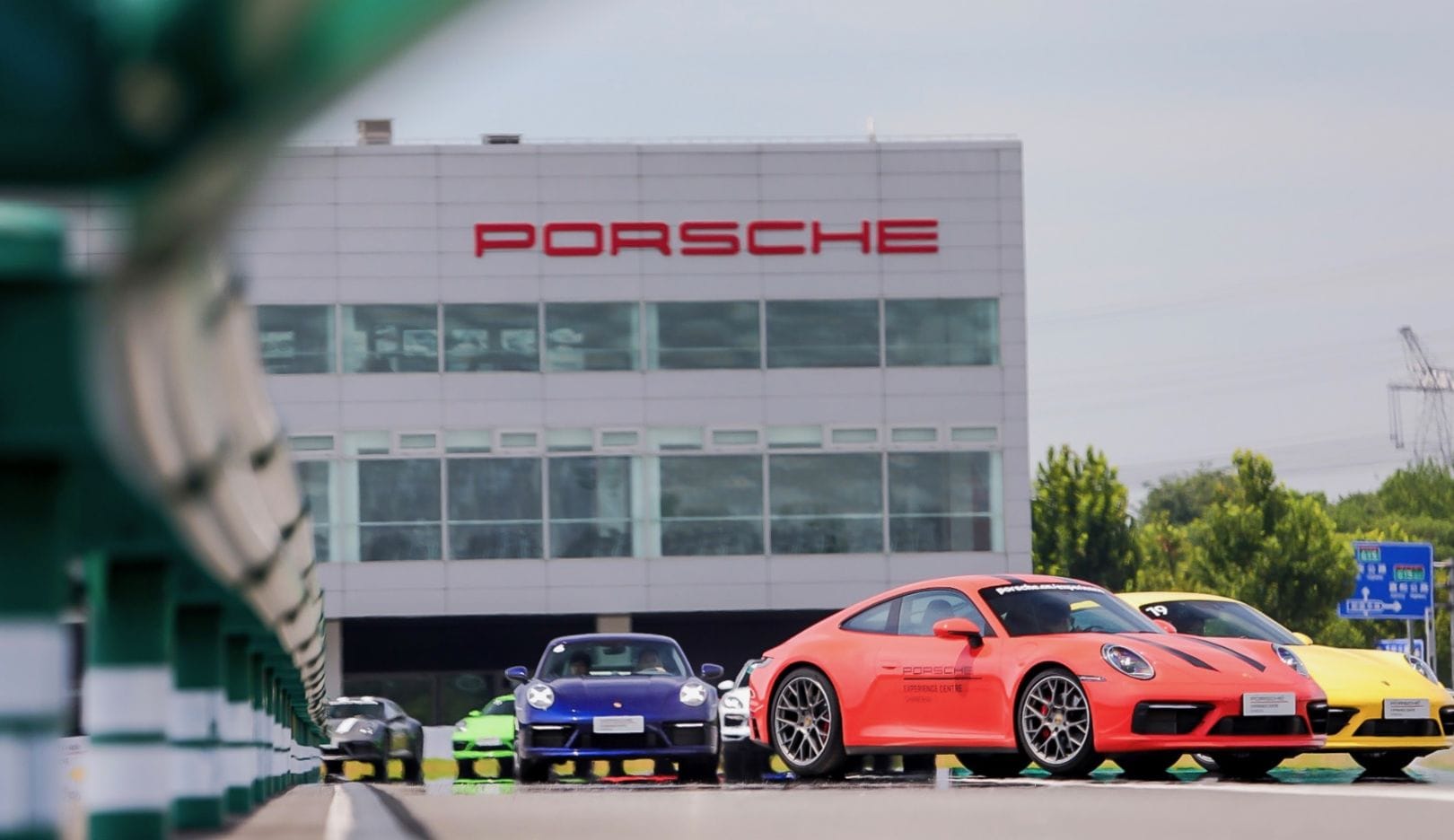
As a top-tier domestic university renowned for its strengths in science and engineering, Tongji University has consistently been a leader in automotive-related fields. In March 2013, the Tongji Electric Racing Team was officially founded, and it has since designed and built its own racing cars each year to compete in the Formula Student Electric series. Thanks to the deep connection between Tongji and Porsche, cooperation between the team and Porsche began as early as last year. Experts from Porsche Engineering Group visited Shanghai to provide professional guidance to the students. This year, due to the pandemic, German experts were unable to come in person, but remote training sessions were conducted online. One new addition this year was a driver training segment, utilizing the facilities and coaching team at the Porsche Experience Centre to offer targeted instruction for the team’s drivers.
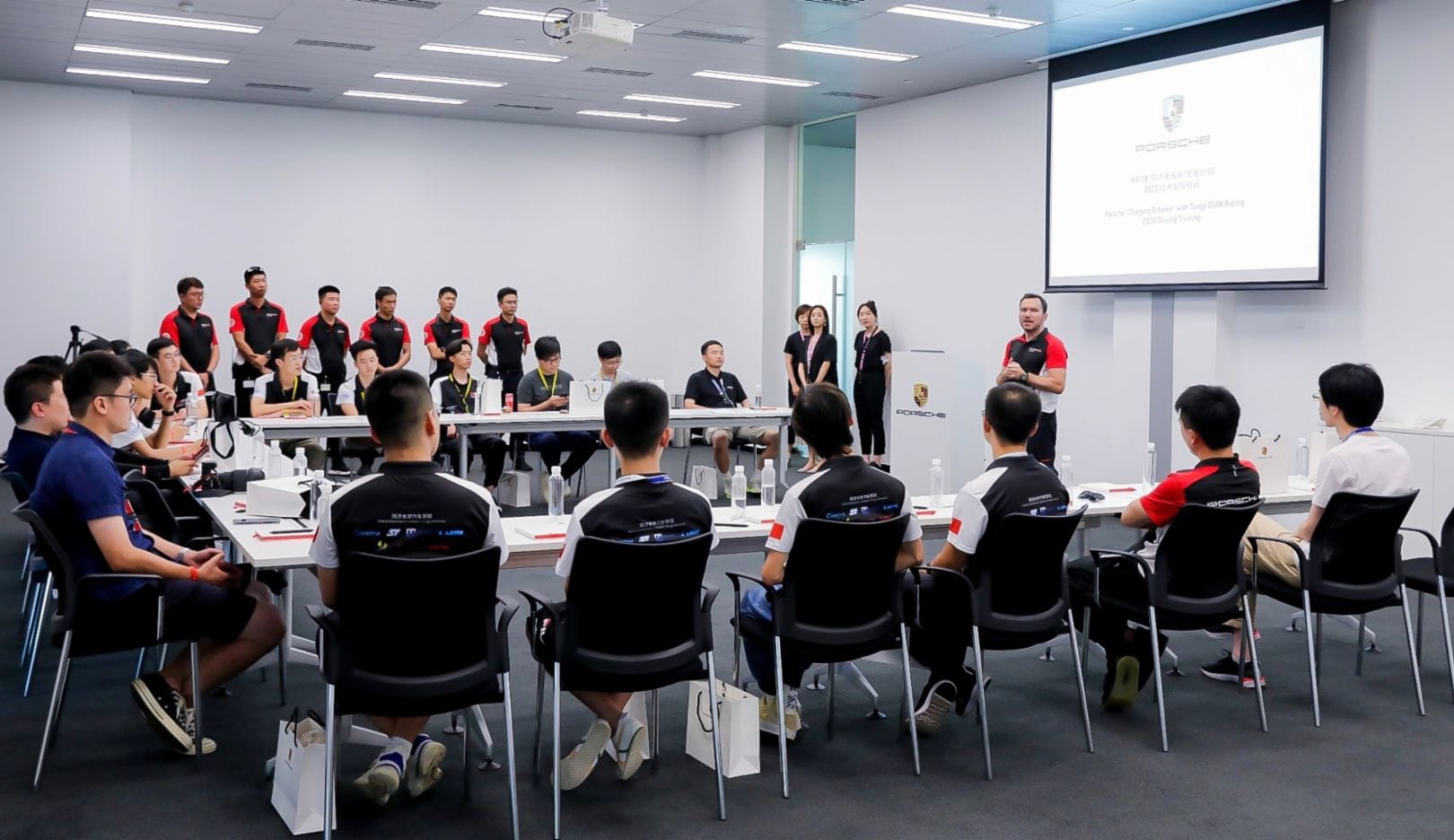
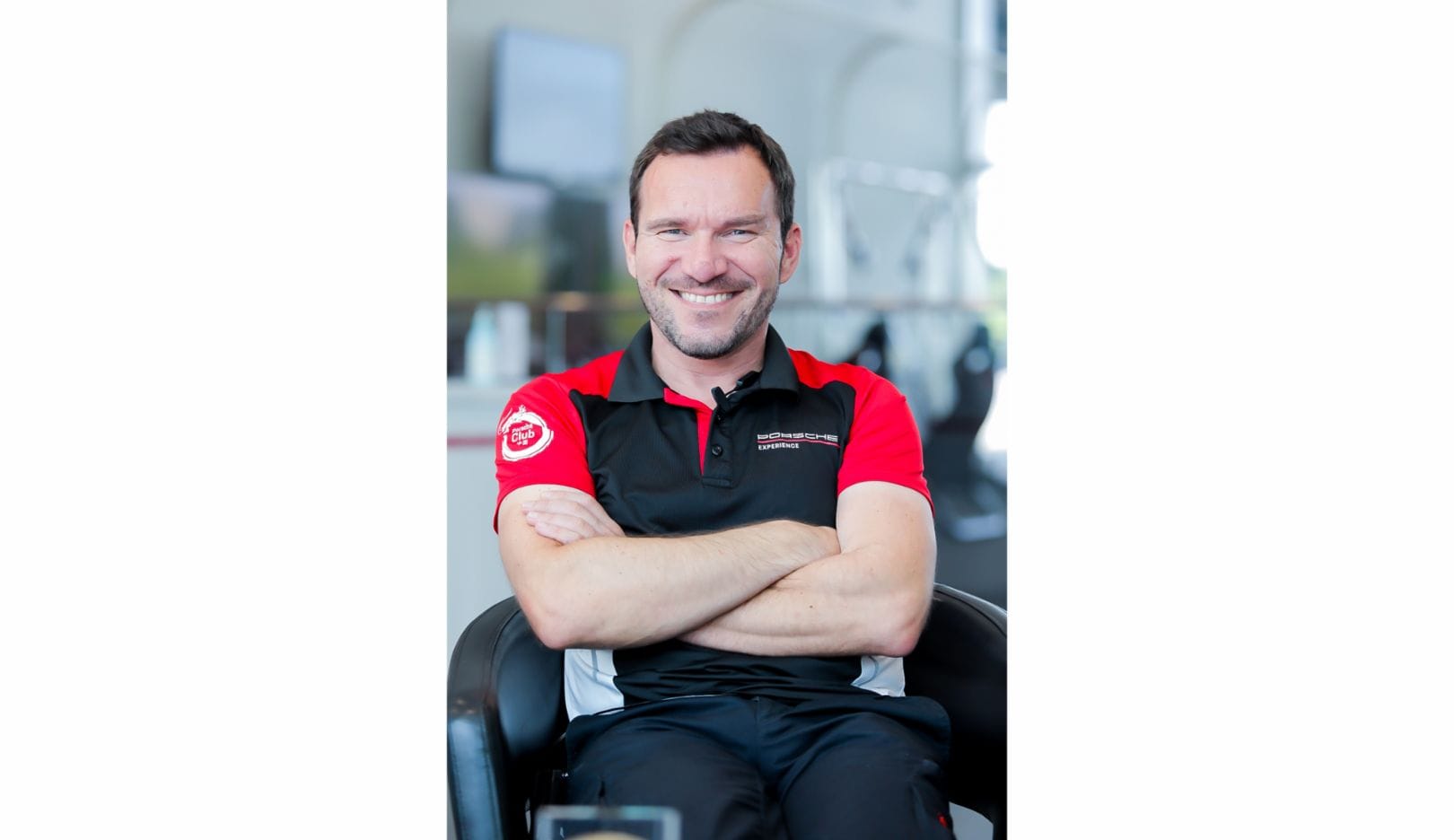
Dario, the driving project manager at the Shanghai Porsche Experience Centre, was just as excited as the students. Just a few days earlier, he had expressed his eagerness to coach the students and had planned a series of tailored instruction and practice sessions well in advance. The students’ understanding of driving mostly came from karting practice and simulator training, so Dario began the training with theory, explaining vehicle behavior when traction limits are exceeded and how to respond. He used the Kamm circle (also known as the friction circle) to illustrate how to maximize tire grip while driving. In the world of racing, effective practice hinges on mastering the correct techniques, setting the right goals, and understanding what “fast” truly means.
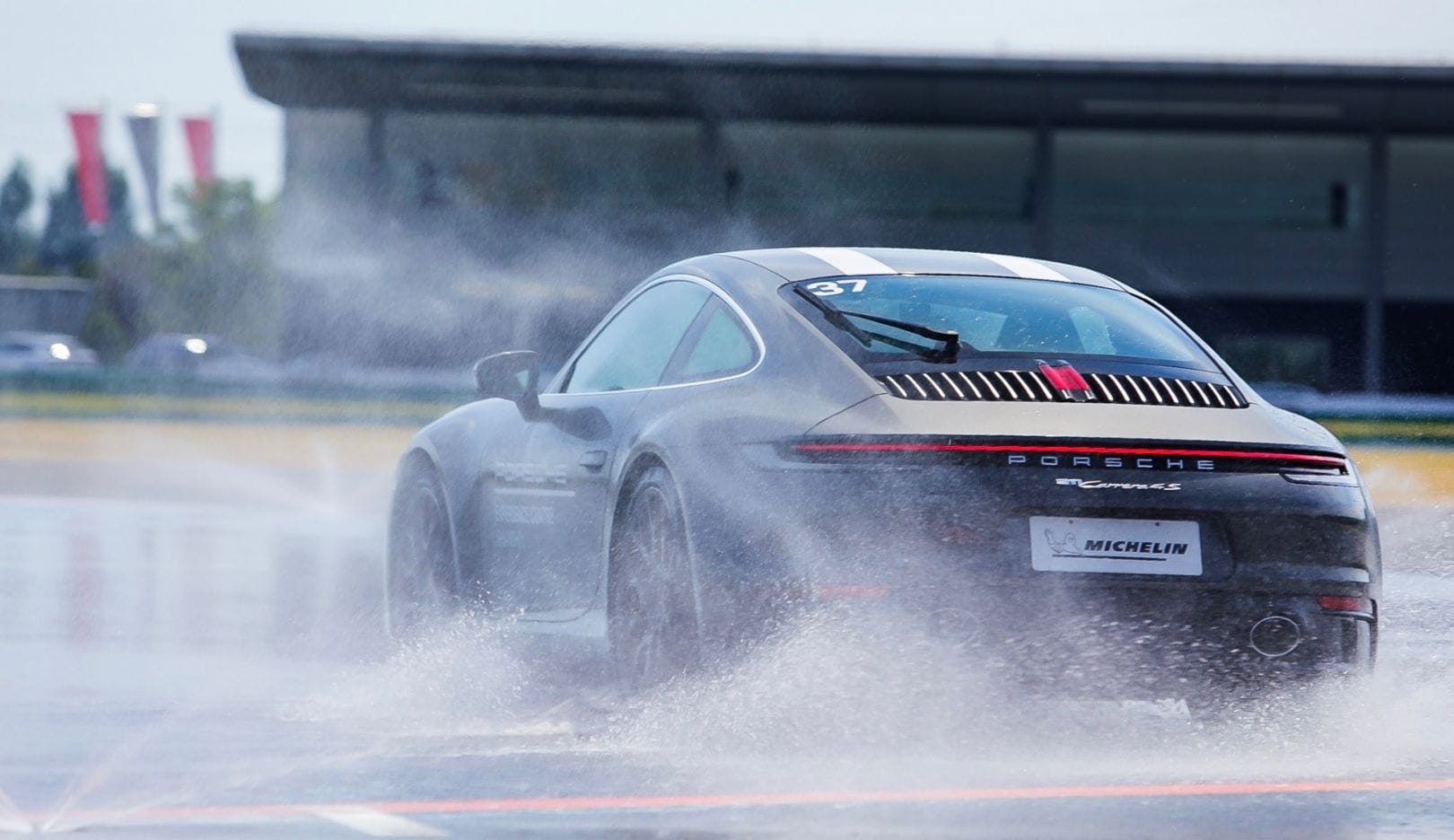
The low-friction ring at the Porsche Experience Centre is a haven for skilled drivers to experience drifting, but for the less experienced students, the low-grip surface more effectively amplified understeer and oversteer. At relatively low, safer speeds, they could observe the vehicle’s behavior at and beyond its limits, while learning the correct countermeasures under the coaches’ guidance. A student from the team responsible for driver management said, “It was my first time experiencing drifting in a real car, and it felt different from the simulator. Feeling the car’s dynamic movements with my body was incredible. Even though I can’t string it all together perfectly yet, having this cross-reference with simulator experience will make future practice more targeted.”
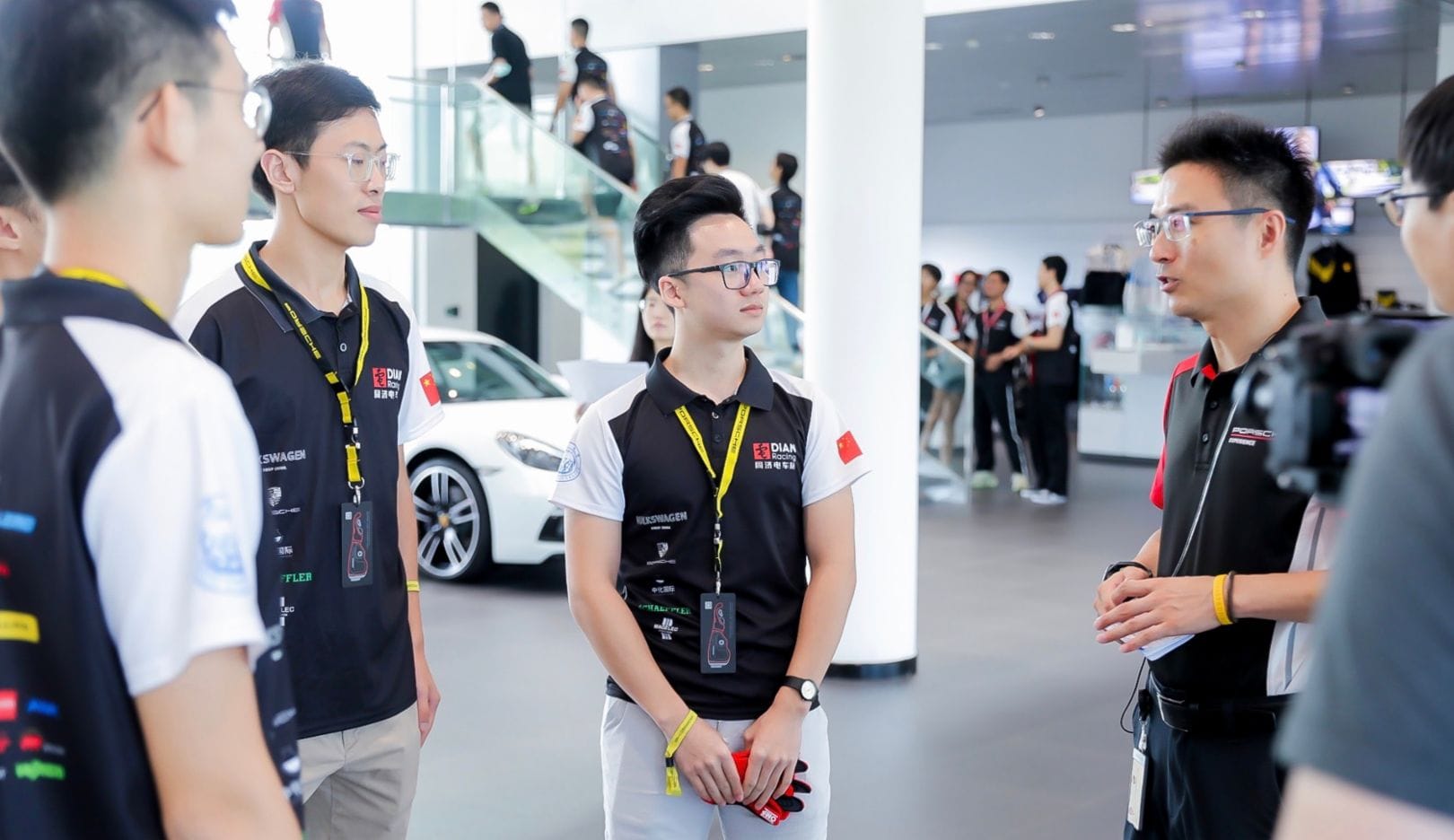
“Even though the students lack extensive driving experience, their regular karting and simulator practice have given them a good feel for the car, solid body coordination, and quite a bit of talent,” remarked a professional automotive journalist riding in the passenger seat, highly praising the students while also barely hiding a hint of envy. One participating journalist had also been involved in Formula Student during university, but acknowledged that the current development environment and having a partner like Porsche were unimaginable back then. Some on-site coaches also expressed regret that they hadn’t had such opportunities during their own university years.
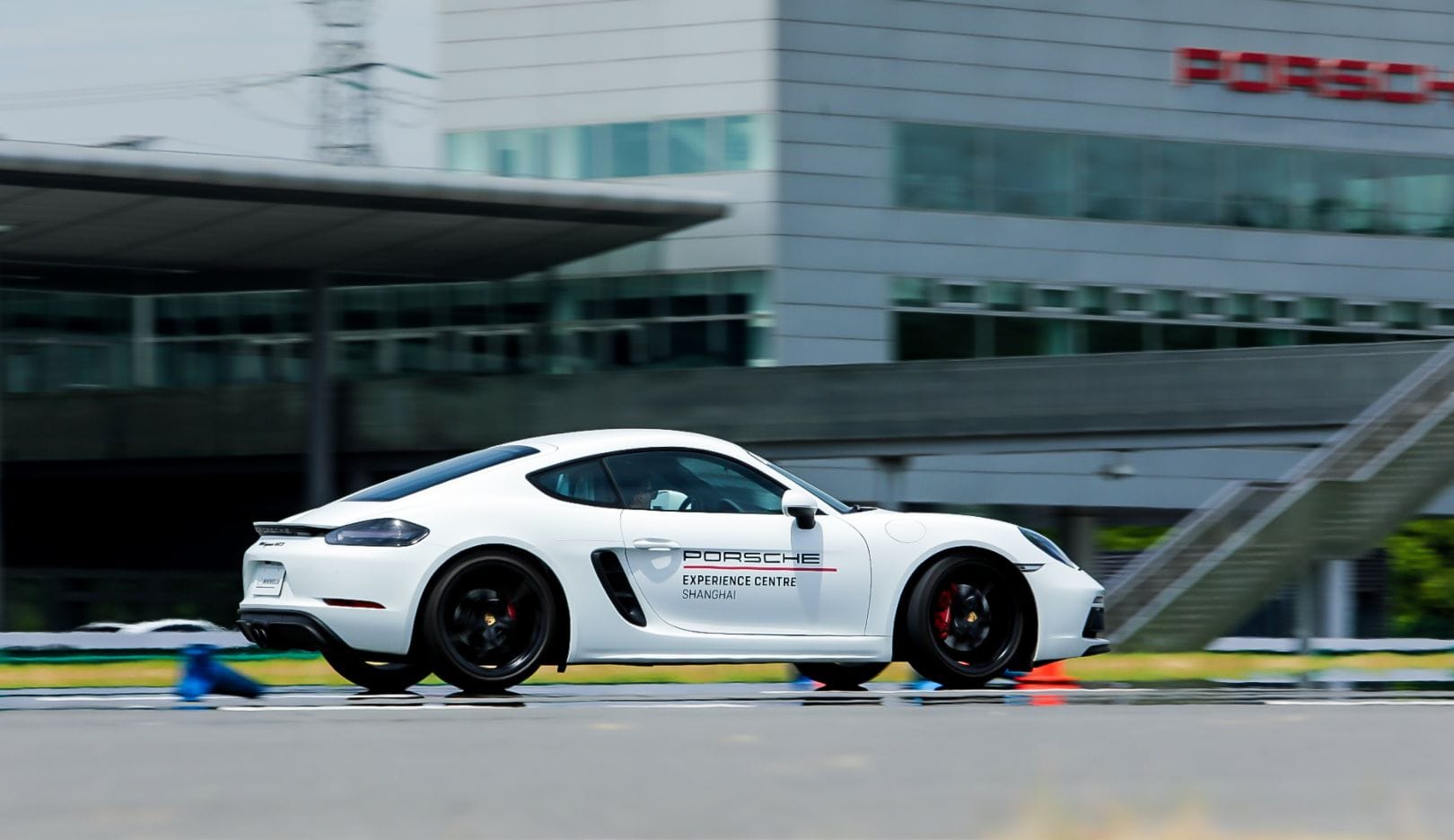
Since Formula Student tracks are typically laid out with traffic cones, they resemble Gymkhana circuits more than traditional racetracks. Therefore, the slalom session closely matched the students’ real-world competition needs. Dario specifically selected the 718 Cayman GTS, which has a weight distribution closer to that of a formula car, for this segment. Slalom driving emphasizes rhythm, avoiding drastic changes in body attitude, taking corners as smoothly as possible, and maintaining a far-sighted visual focus. Under one-on-one guidance from coaches in the passenger seat, the students continuously quickened their pace lap after lap.
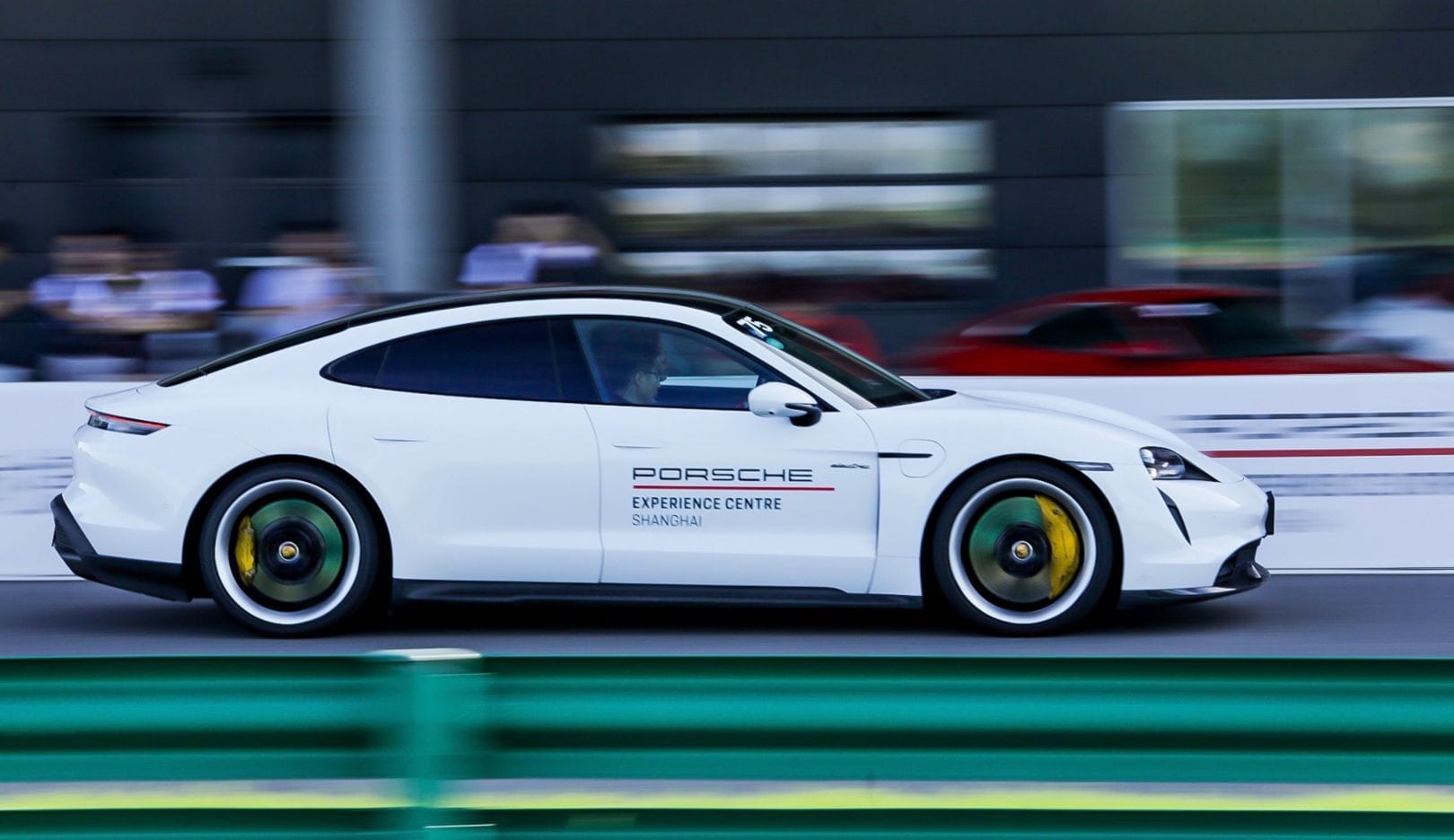
In the final simulated race session, Dario used the Taycan on the Experience Centre’s test track to challenge the students’ ability to manage both time and battery capacity. Using Porsche’s first all-electric sports car for the race simulation perfectly aligned with the environment of DIAN Racing’s competitions. Formula Student Electric not only evaluates on-track performance but also features separate events and awards for overall vehicle efficiency and energy recovery capability.
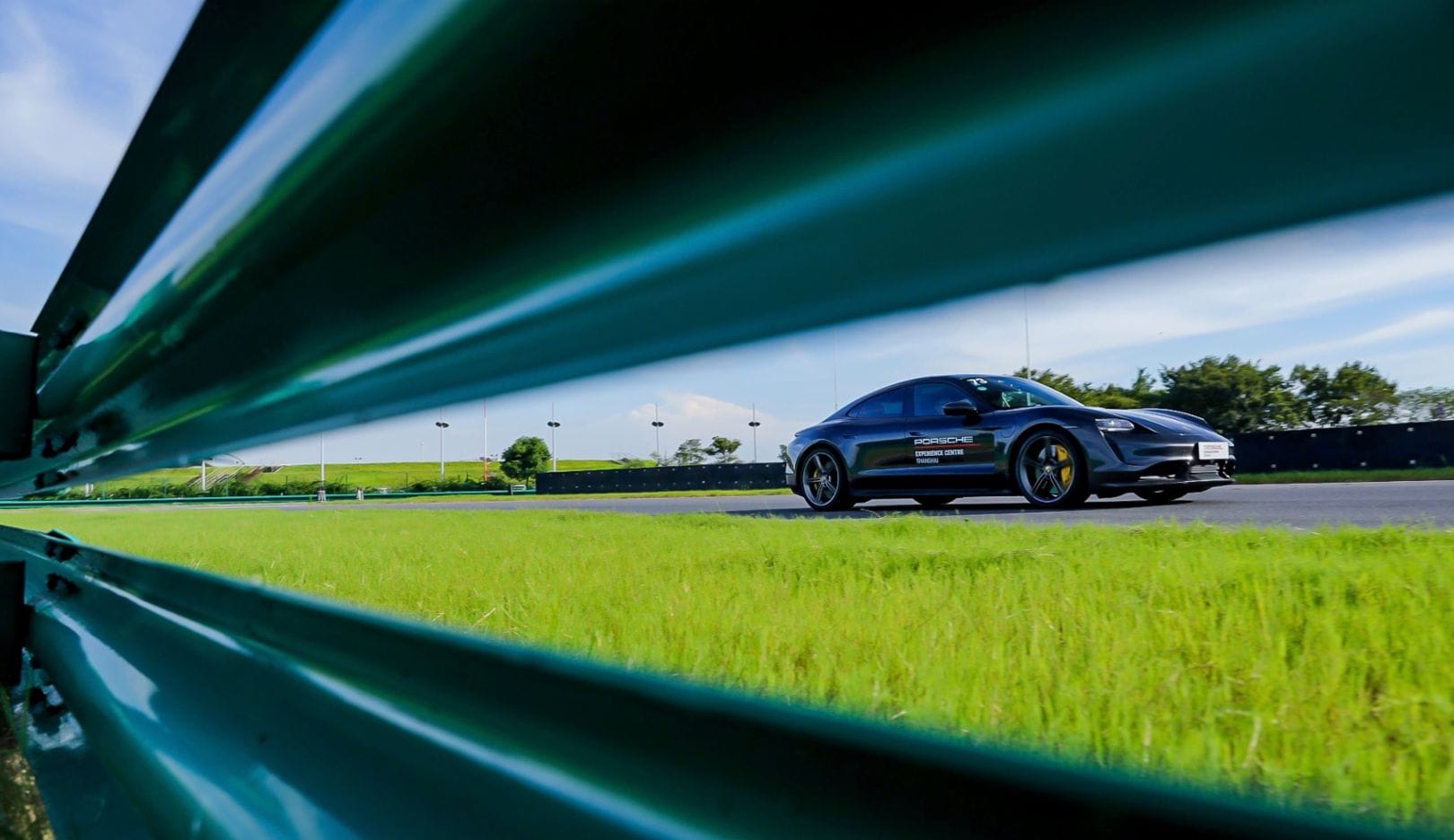
Last year, experts from Porsche Engineering provided the team with crucial guidance on kinetic energy recovery algorithms. Thanks to their outstanding energy recovery performance, the team captured the Efficiency Award at the 2019 Student Formula Japan competition. “After today’s training, I have a broader understanding of racing cars. I feel that the Porsche Taycan has significantly stronger braking force—much more than our car,” students reflected after getting hands-on with the Taycan. “It balances smoothness and controllability; power delivery is very gentle, cornering is flat, the cornering limit is high, and the acceleration from launch control rivals that of our electric car. What’s more, we were driving an unmodified production car.”
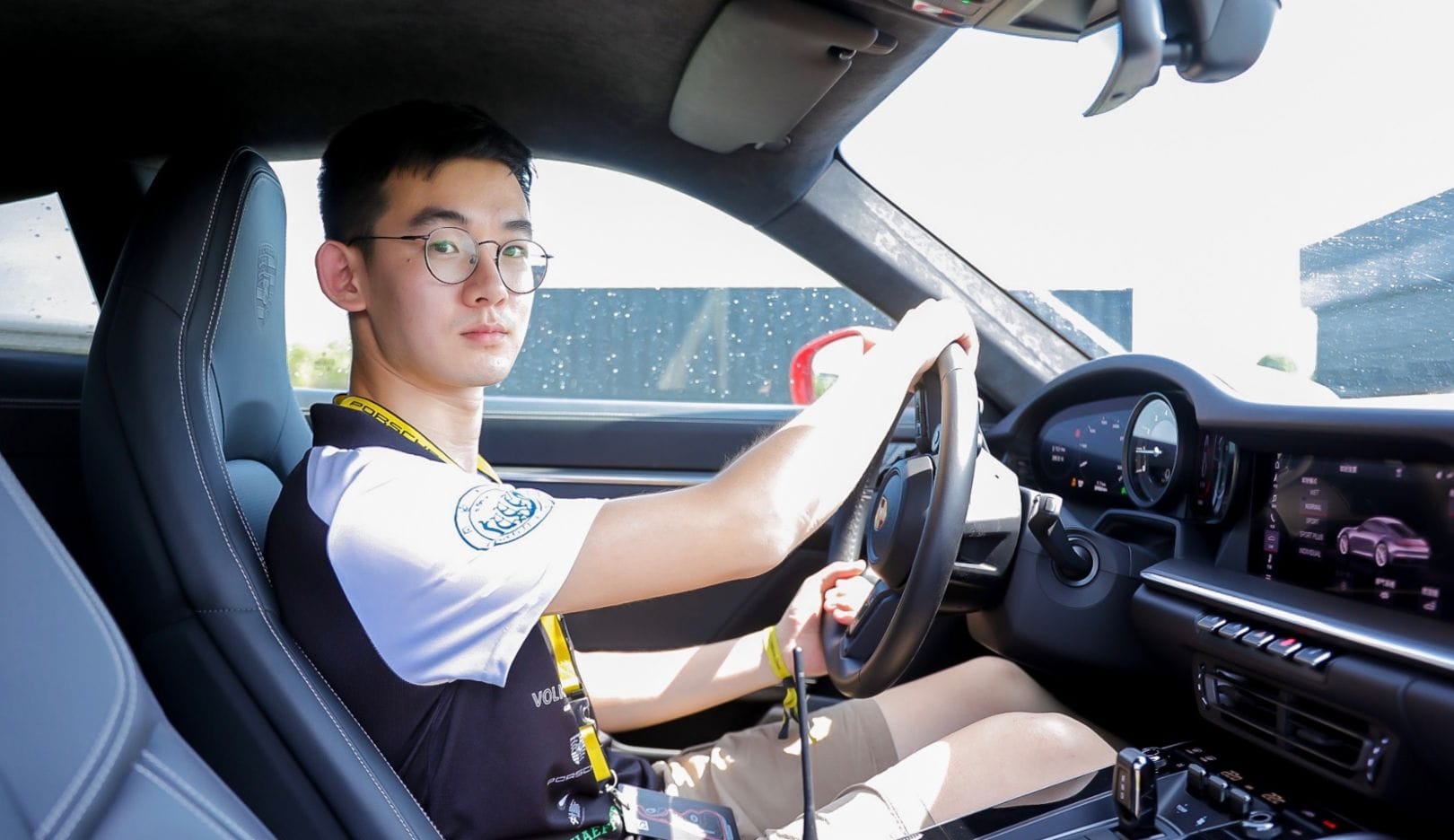
The members of DIAN Racing were thrilled with the training outcomes: “This training was packed with practical knowledge. The four training segments ran from 10 a.m. to 3 p.m., and several coaches patiently guided each member under the scorching sun so we could drive quicker and more safely on the track.”
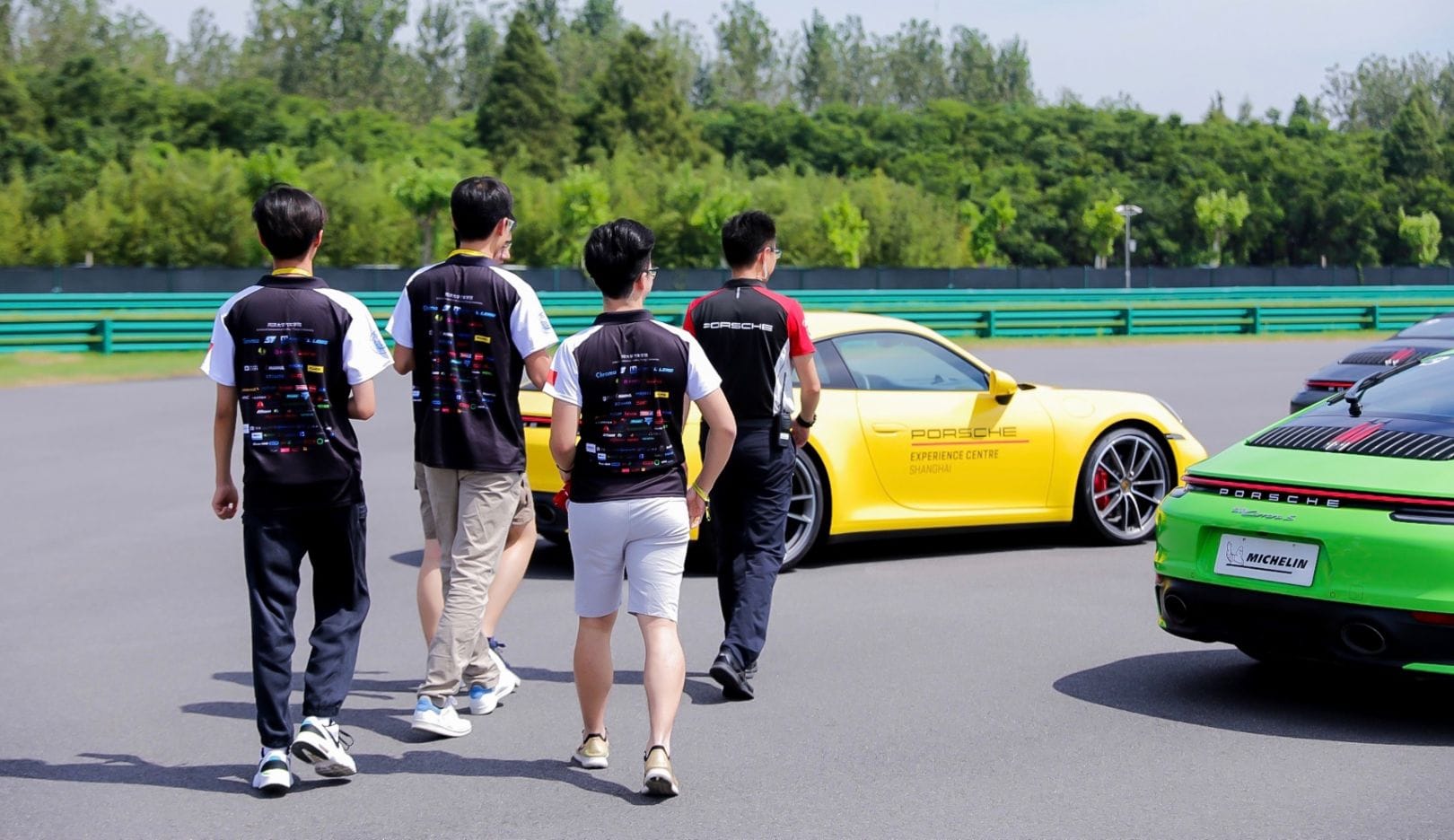
Dario, however, remained quite modest, noting that the Porsche Experience Centre was ultimately designed for customer experiences and aimed more to inspire the students through these exercises. He added that he was merely a driver himself and looked forward to seeing the students successfully develop exciting vehicles in the future. This October, DIAN Racing will hold its new car launch event at the Porsche Experience Centre. We hope that through this off-campus “recharge,” the team can make strides in both engineering and competition. Let’s look forward to it together.
Text